
The specter of antimicrobial resistance (AMR) hangs over modern medicine. Antibiotics – once a miracle are losing their power as bacteria evolve sophisticated evasive mechanisms to the effects of the drugs. In such a critical battle, microbiologists have a tough role to play in guiding effective treatment strategies. This blog post delves into an indispensable Kirby-Bauer disc diffusion (KBD) method, a cornerstone technique for AST.
The Clinical and Laboratory Standards Institute (CLSI) -standardized KBD technique, is a proven, inexpensive, and universally applied method for evaluating the susceptibility of bacteria to a range of antimicrobials. Here’s a step-by-step overview of the KBD procedure:
Technical details
KBD Method and AMR Resistance Battle
This would provide information for proper selection of antibiotics for targeted therapy, improving patients’ outcomes and curbing the emergence of resistant strains. The KBD method can identify resistant bacteria, allowing clinicians to have alternative therapeutic strategies and public health authorities to monitor their emerging trends.
TM Media recognizes the important position played by the professional microbiologists in the health care system. We are one of the premier manufacturer of Culture Media, CLSI approved Antibiotic Sensitivity Discs, Laboratory Consumables and Equipment’s designed to meet the specific requirements for the professional microbiologists.
Conclusion:
The KBD method remains an indispensable tool in the fight against AMR. Its simplicity, cost-effectiveness, and reliability make it a staple in the world’s clinical microbiology laboratories. Microbiologists utilizing this technique are key to improved patient care and global efforts to counter the challenge of AMR.
Stay tuned for more blogs.
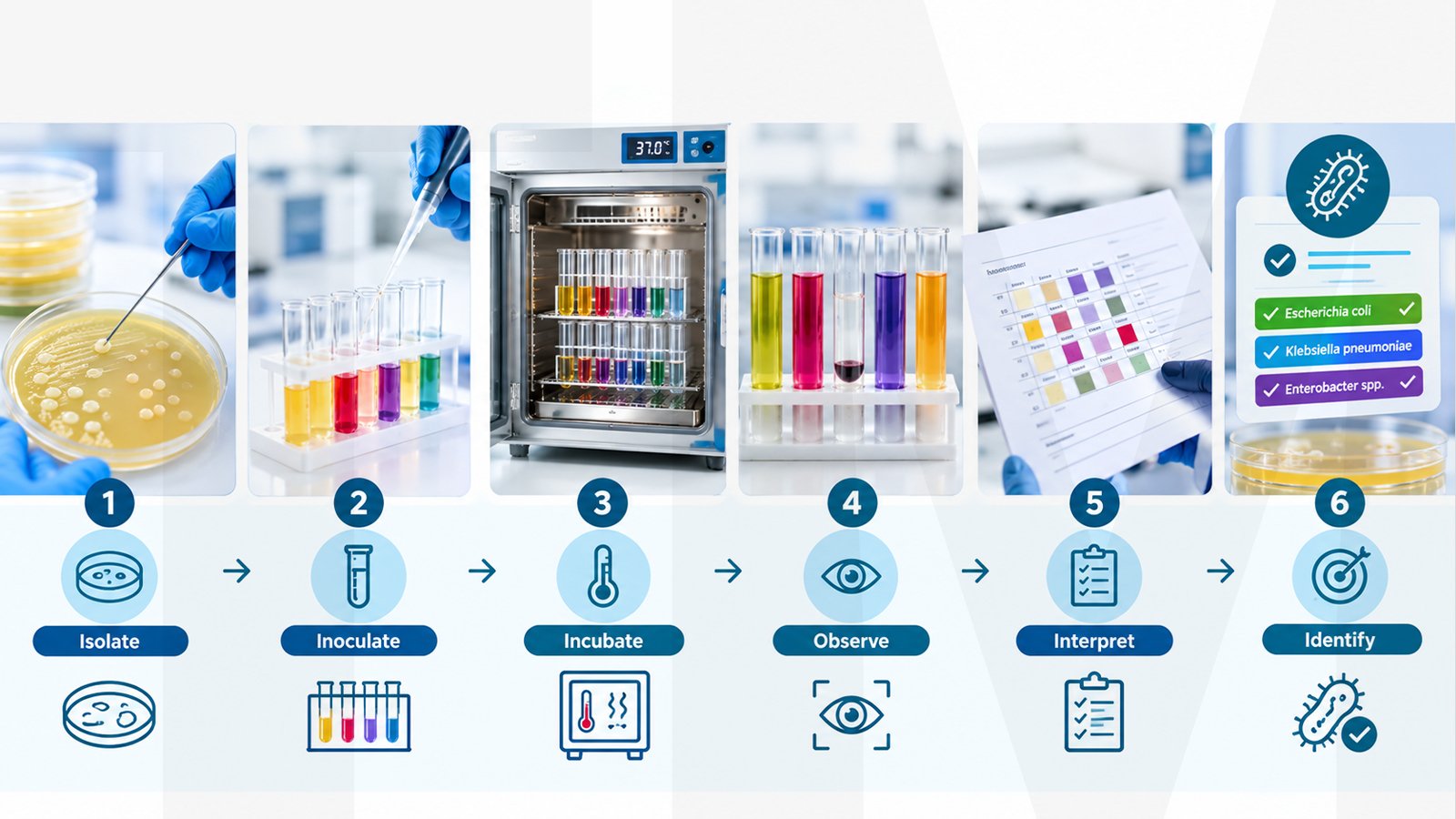
Two bacterial colonies can appear nearly indistinguishable on an agar plate. Yet their metabolic activities can expose significant differences. A...
Read More
A microbiologist studies a bacterial culture that looks no different from many others. Yet, its metabolic capabilities may be an...
Read More
A small tube sits on a microbiologist’s bench, looking almost ordinary. Its orange medium waits for one biological event to...
Read More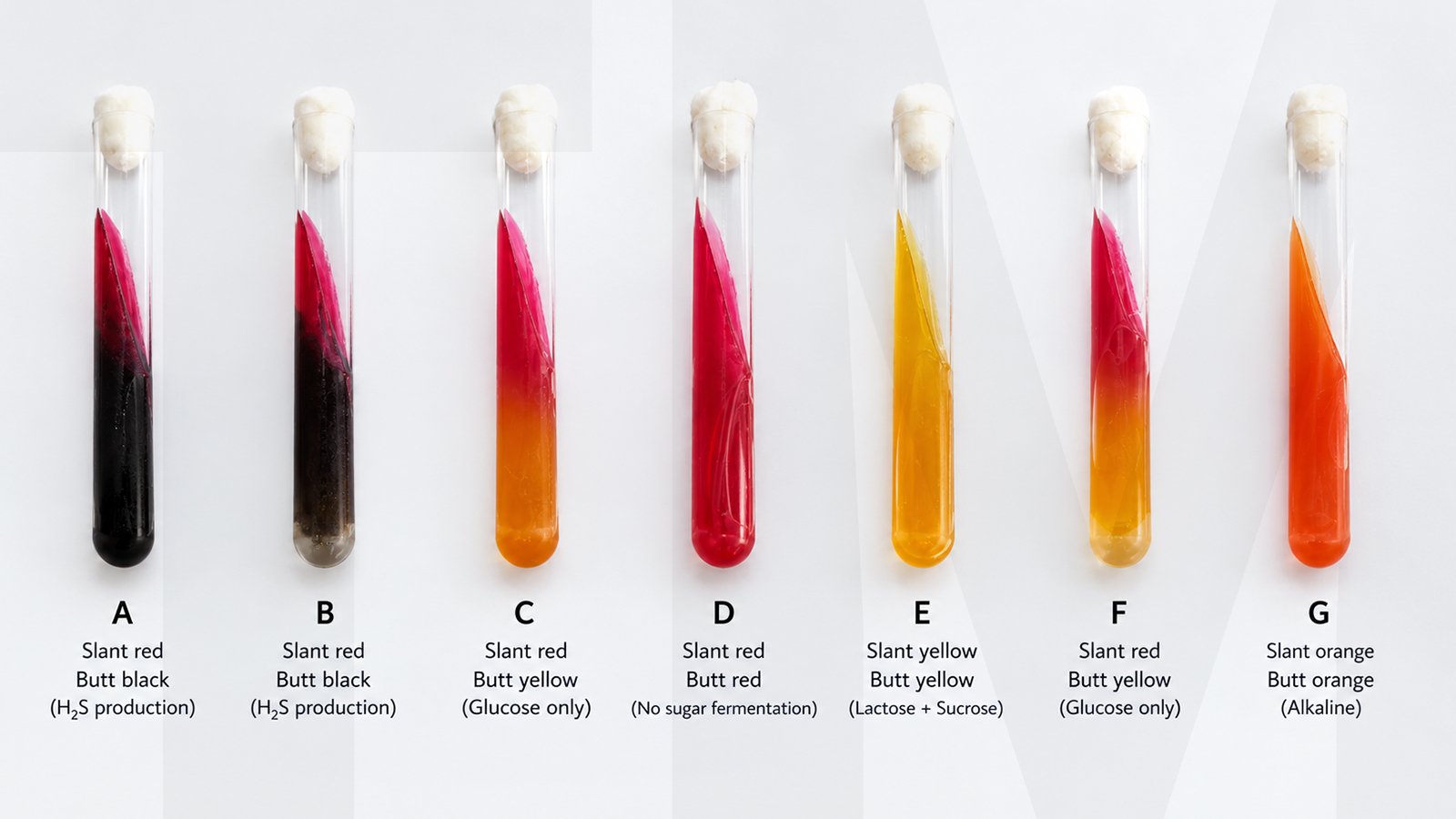
A microbiologist often looks beyond what appears on a culture plate. A tiny change in colour can reveal an important...
Read More
A colony appearing on an agar plate may look like a simple result. Yet, that small colony reflects everything the...
Read More
A microbiologist receives a mixed sample and prepares a fresh culture plate. The next question seems simple: which organism will...
Read More
How can I help you today?
