
Have you ever wondered about the plant processes that are happening below the ground? Most of these processes are the reason plants are able to grow healthy from seedling to mature plants, especially in the roots searching for water and nutrients in the soil. One of these nutrients is nitrogen. Nitrogen, for plants, acts as a key building block for new tissue and other biological reactions occurring within the plant. When sufficient nitrogen is available to the plant, it can grow with healthy leaves and constant growth.
That’s why crop nutrition can be explained through the understanding of nitrogen. It tells us about the need for soil nutrition at each stage of a crop’s lifecycle.
Simply put, nitrogen’s a major macronutrient which helps the plant to synthesize amino acids; from which they are capable of synthesizing proteins, which provide structural support to cells and enable biological reactions to take place. This is not the only factor however because nitrogen is also required for the synthesis of nucleic acids, enzymes, and chlorophyll.
Chlorophyll is the enzyme that enables plants to absorb light energy and enables photosynthesis to take place, which allows the plant to synthesize sugars from carbon dioxide and water.
The thing you need to remember is that most nitrogen supports the cell division that happens in the leafy early-stage plants and active vegetative growth of plants by supporting cell division and production of new tissues (e.g. Stems and leaves). During vegetative growth it promotes leafy growth and development of crop canopies; a plant canopy of healthy leaves is essential for capturing sunlight energy.
Throughout the crop growth, nitrogen helps to produce new tissues and new leaves. However, it’s worth noting that if most crops are often in a higher demand for nitrogen during their active vegetative growth stages but require less during the reproductive stages, when they are producing flowers, fruits, and grains.
You may then be thinking, where does plant-available nitrogen sources originate from? While lots of nitrogen is held in the atmosphere, most plants can’t access it directly, instead they absorb nitrogen in the form of nitrates (NO₃) and ammonium ions (NH₄) through their roots. So the actual nitrogen for plants is nitrate and ammonium form of nitrogen. The most nitrogen is held in organic form in the soil, where bacteria and other organisms decompose plant residues and other organic matter releasing nitrogen to the soil in ammonium, nitrate, or amino form.

Let’s remember: there’s a role for bacteria and other microorganisms. The microorganisms play a vital role in various steps of the nitrogen cycle. For example, nitrogen fixing bacteria use the enzyme nitrogenase to convert nitrogen gas into ammonia, some of these form symbioses with plants while others are free-living in the soil. Azotobacter, is a free-living nitrogen-fixing bacterial species, is one example of a bacteria that can fix atmospheric nitrogen under aerobic conditions.
People are very interested in these bacteria when exploring soil fertility and biological nitrogen fixation, which is why they can collect soil samples and grow out suitable microorganisms. Azotobacter Agar (Mannitol) (TM 354) provides nutrients such as mannitol as an energy source to isolate and cultivate free-living Azotobacter spp.
Dehydrated Culture Media (DCM) are also very helpful in microbiology-based research and increasing plant-growth-promoting benefits. (e.g., bacterial nitrogen fixation, plant nutrition biofertilization). It is provided with every kind of prescribed ingredient for cultivating nitrogen-fixing bacteria.
The collection of nitrogen-fixing bacteria cells and further tests, analysis and classification of bacteria can be confidently performed due to the nutrient compositions of different culture media such as Jensen’s Medium, Yeast Extract Mannitol Agar, Ashby’s Medium and many more. A number of nitrogen-fixing bacteria can be cultivated on an industrial scale by using appropriate Dehydrated Culture Media (DCM).
Biological Media Bases (BMB) is highly informative for microbiology-based research and improving plant-growth-promoting benefits. They are characterized by the content of amino acids, peptides, vitamins, sugars and various growth factors. BMBs help in the preparation of special microbial production media, which are used by agriculture microbial input manufacturers.
Find out more about the Media Bases and Dehydrated Culture Media here.
To sum up, nitrogen is an essential plant nutrient that plays a key role in protein synthesis, photosynthesis. New tissue development, depending on its availability as a plant available source. The soil type, organic matter, fertiliser use and biological activity all influence the nitrogen composition.
Microbes play a significant role in various steps of nitrogen fixation, nitrification and other nitrogen cycle steps. The cultivation and identification of microbes requires the availability of media with appropriate compositions. A variety of processing varieties of Dehydrated Culture Media (DCM) provide nutrients to support the cultivation of nitrogen-fixing bacteria and other microbes.
When managing nitrogen in cropping systems, it is important to understand the role of microbes and how excess or deficiency of nitrogen may affect plant growth.
A. Nitrogen fixation is the conversion of atmospheric nitrogen to ammonia. Nitrification is the conversion of ammonium to nitrite and then to nitrate by microbes.
A. No. only some plants form relationships with nitrogen fixing microbes or allow other nitrogen fixing processes to occur.
A. Depends on several factors such as the crop type, soil and growth stage.
A. Leaching is the method by which nitrogen, mainly in the form of nitrates, is dissolved in water and carried below the plant root zone.
A. Yes. The pH level will affect the microbial activity and nitrogen levels in the soil. If the pH level is too high or too low, this could cause issues.
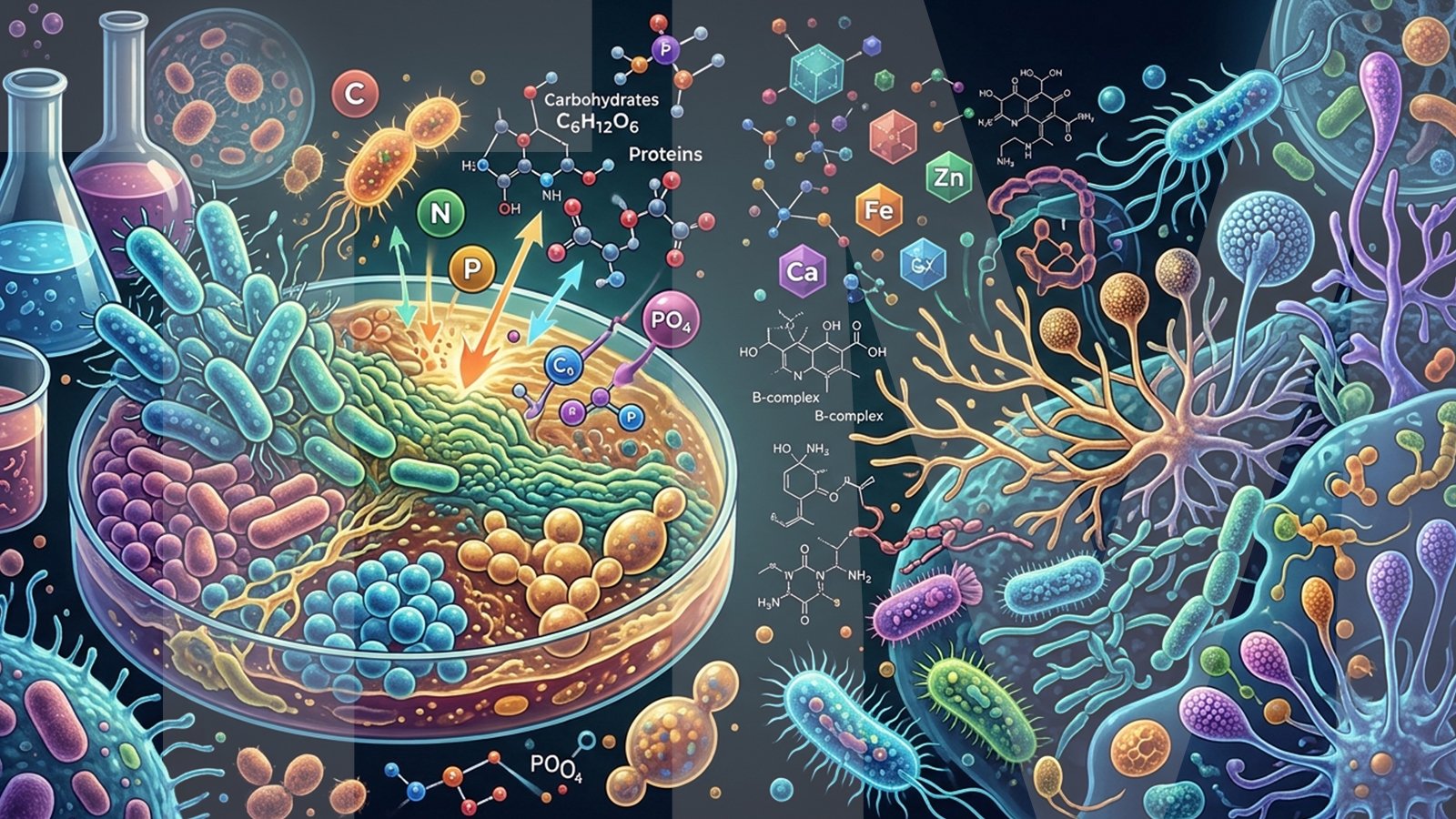
A microorganism can be invisible to the naked eye; however, its growth is dependent on several essential requirements. Bacteria will...
Read More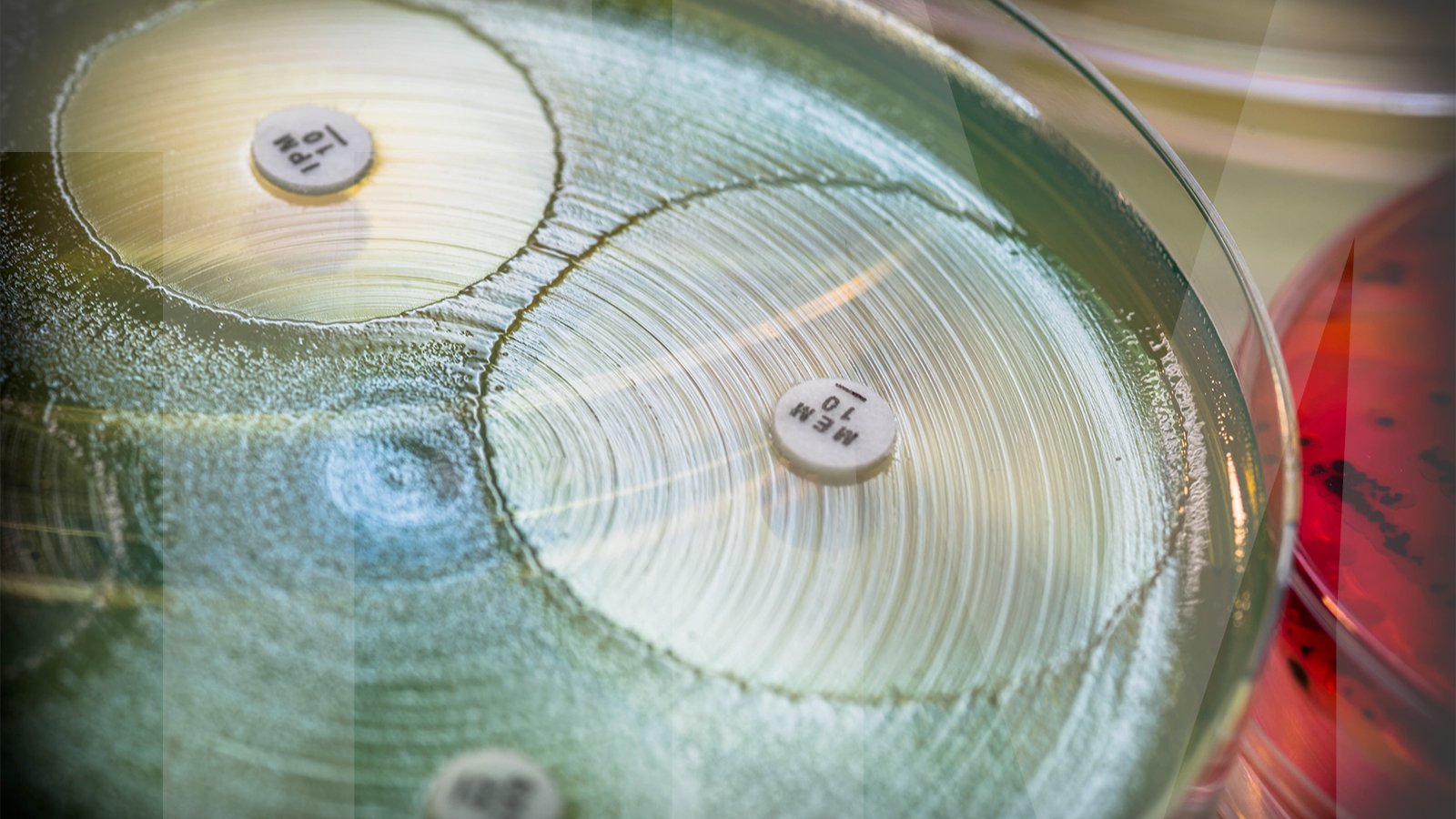
A patient undergoes treatment for a bacterial infection, expecting the prescribed antibiotic to help. However, the antibiotic prescribed might not...
Read More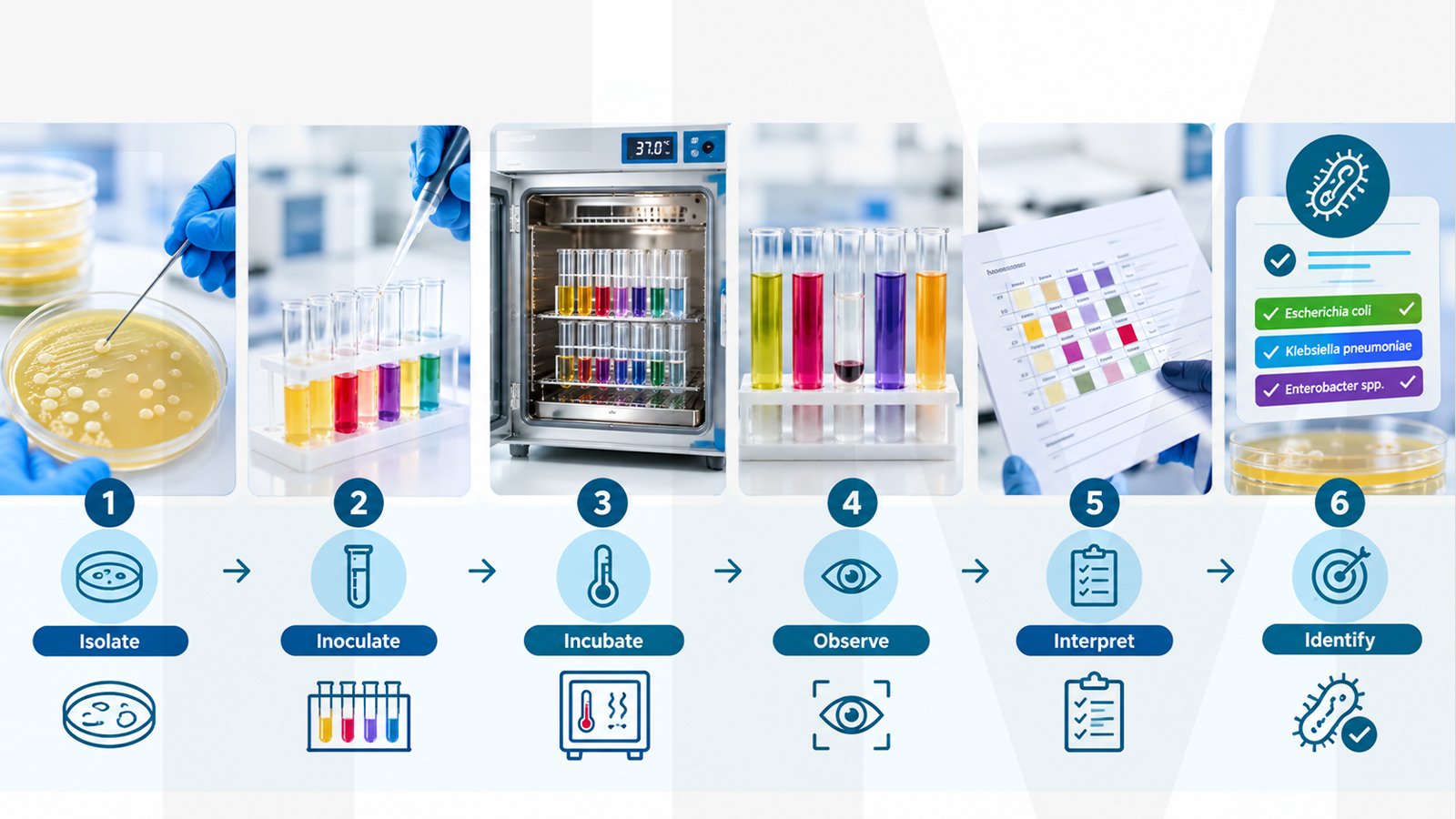
Two bacterial colonies can appear nearly indistinguishable on an agar plate. Yet their metabolic activities can expose significant differences. A...
Read More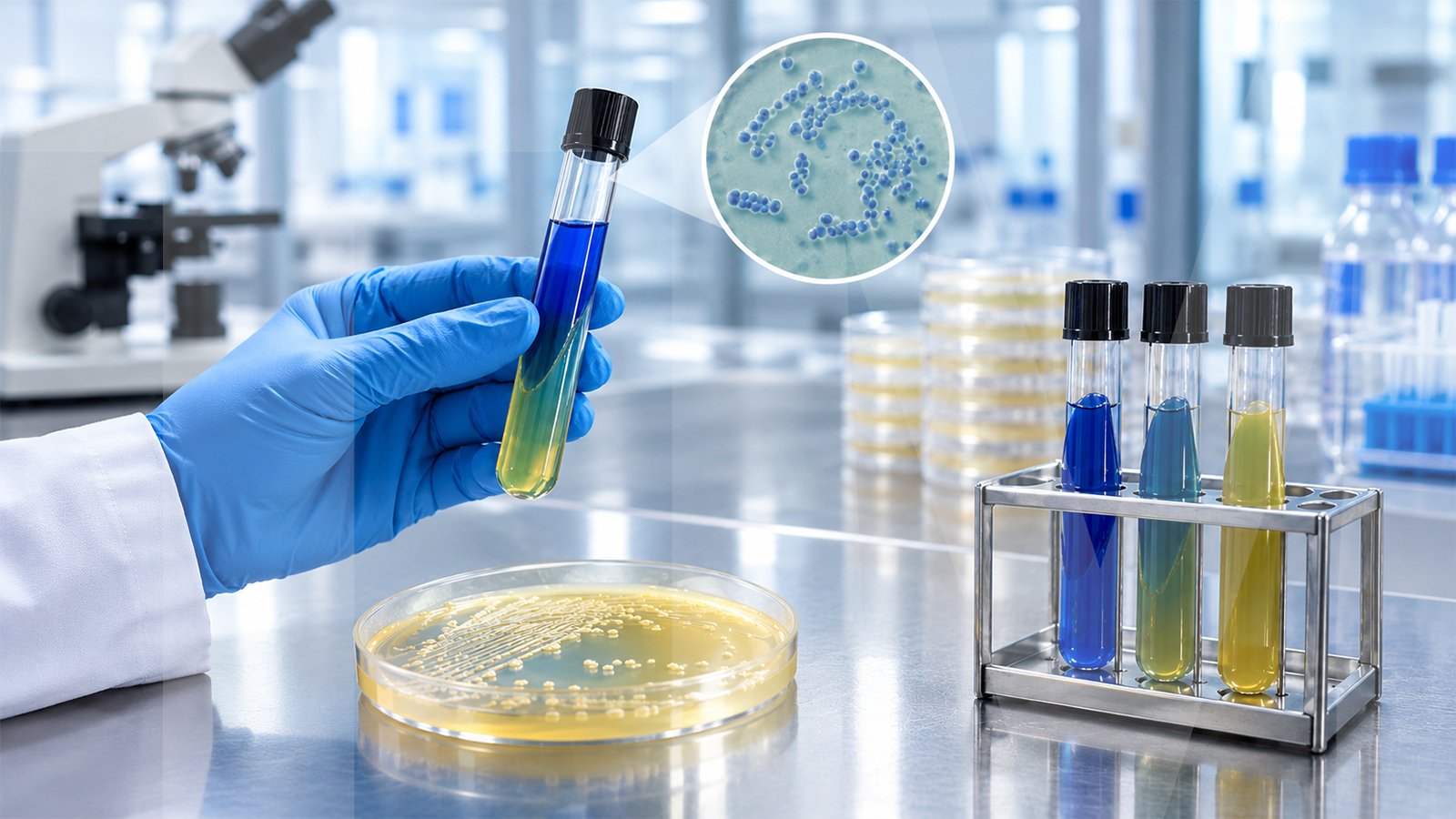
A microbiologist studies a bacterial culture that looks no different from many others. Yet, its metabolic capabilities may be an...
Read More
A small tube sits on a microbiologist’s bench, looking almost ordinary. Its orange medium waits for one biological event to...
Read More
How can I help you today?
