Acetic Acid is a colourless and pungent organic compound that plays a vital role in microbiological and biochemical applications. This has chemical formula CH₃COOH however, when concentrated to 99.5%, it is termed Glacial Acetic Acid. It is used as raw material and has more potency than any other form. It can also be used in formulation of selective and differential Culture Media, pH control systems, and biochemical pathways across laboratory and industrial environments.
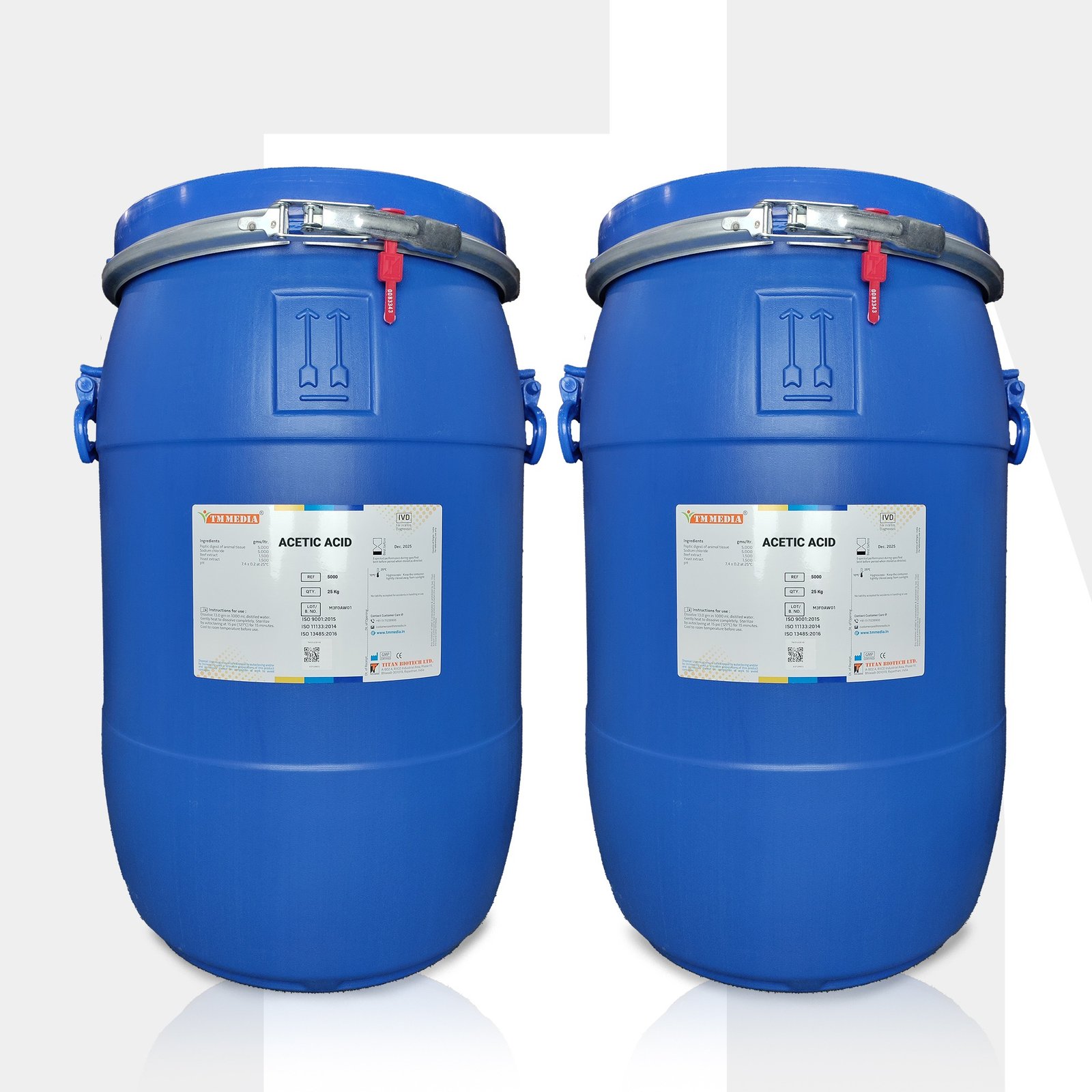
Glacial Acetic Acid (≥99.5% purity) is preferred in analytical and culture-grade preparations. Lower grade acids may have impurities which can inhibit microbial growth and may change experimental outcomes. As a corrosive substance, its use must comply with Occupational Safety, Health and Working Conditions Code (OSH Code) guidelines. Exposure limits, storage protocols, and proper PPE are crucial during large-scale media formulation.
The concentrated Glacial Acetic Acid uses expands across various technical domains, such as:
Safety considerations for laboratory and industrial users: What to do if you inhale vinegar fumes
In this blog we can conclude that Acetic Acid is a fundamental component in the industrial and laboratory ecosystem. It is a versatile chemical with critical functionality in pH regulation, microbial selectivity, and formulation stability. Its role spans from pH control to microbial selectivity and it needs to be of high-quality too for effective experiment outcomes. We must take necessary precautionary measures while handling it.
TM Media present the highest grade of Acetic Acid which is manufactured in ISO certified plants, also we are FSSC 2000, Halal, and FSSAI conforming. We stand by the safety of our product for use in both regulated and research grade settings. In the fields of media preparation, bio chemical formulations, or in pH sensitive settings TM Media brings to you quality that meets the mark of global compliance.

Two bacterial colonies can appear nearly indistinguishable on an agar plate. Yet their metabolic activities can expose significant differences. A...
Read More
A microbiologist studies a bacterial culture that looks no different from many others. Yet, its metabolic capabilities may be an...
Read More
A small tube sits on a microbiologist’s bench, looking almost ordinary. Its orange medium waits for one biological event to...
Read More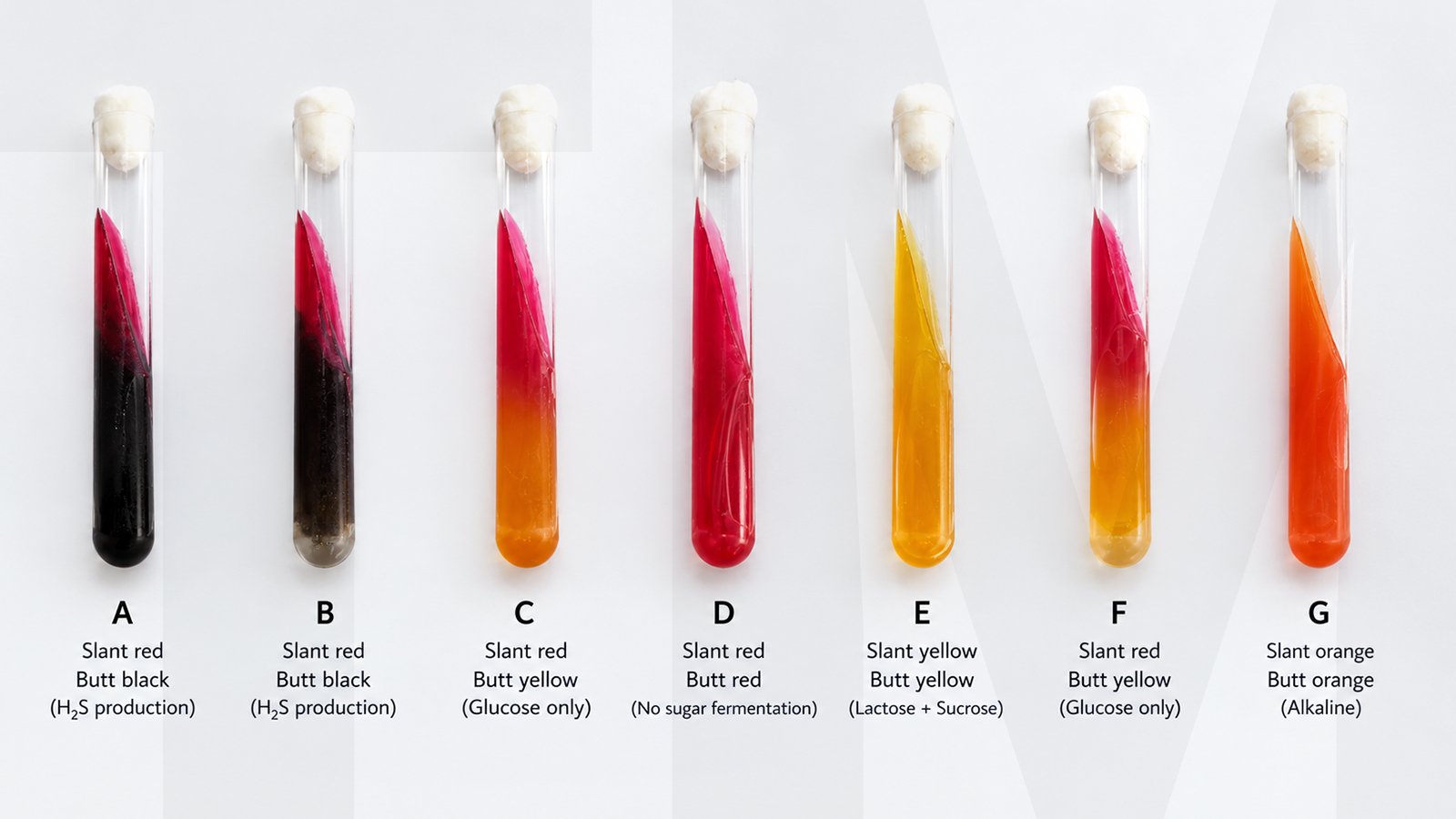
A microbiologist often looks beyond what appears on a culture plate. A tiny change in colour can reveal an important...
Read More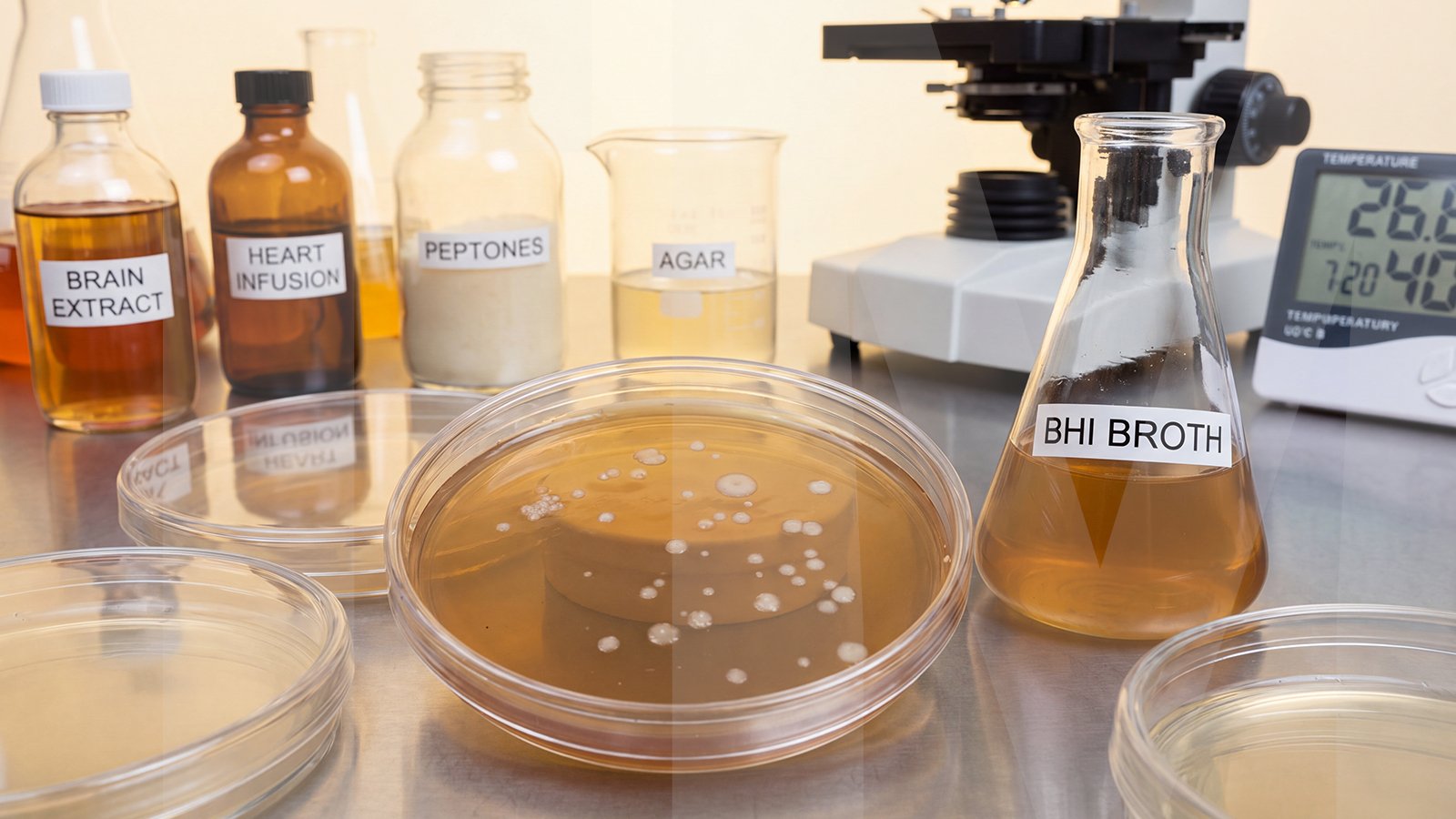
A colony appearing on an agar plate may look like a simple result. Yet, that small colony reflects everything the...
Read More
A microbiologist receives a mixed sample and prepares a fresh culture plate. The next question seems simple: which organism will...
Read More
How can I help you today?
