
In the intricate realm of clinical microbiology, the Gram stain stands as a widely used technique, serving as a basis for identifying and classifying bacteria. Developed by Hans Christian Gram in 1884, this staining method continues to play a pivotal role in offering swift and informative results for healthcare providers. In this blog, we will look at the significance of Gram staining, exploring its methodology, steps, and diverse applications in clinical microbiology.

Gram staining is a laboratory test designed to detect bacteria in suspected infections or bodily fluids swiftly. This technique categorizes bacteria into two main groups: Gram-positive and Gram-negative, based on their response to a series of stains. The method relies on the distinct chemical and physical properties of bacterial cell walls.
Gram-Positive Cell Wall:
Characterized by a single-layered cytoplasmic membrane and a robust composition featuring multiple layers of peptidoglycan, ranging from 15 to 80 nanometers in thickness. This design, with a small periplasmic space and the presence of teichoic acid, contributes to retaining the crystal violet dye during the Gram staining procedure, resulting in a purple coloration.
Gram-Negative Cell Wall:
Distinguished by a double-layered cytoplasmic membrane and a thinner, single layer of peptidoglycan (10 nanometers). The larger periplasmic space, outer membrane, and the presence of lipopolysaccharides contribute to a pink appearance during Gram staining, as the crystal violet dye is not retained.
The Gram stain is a very important preliminary step in the initial characterization and classification of bacteria. It is also a key procedure in the identification of bacteria based on staining characteristics, enabling the bacteria to be examined using a light microscope.
Gram staining, though over a century old, remains an invaluable tool in clinical microbiology with several key applications:
The Gram stain remains an indispensable tool in clinical microbiology, providing rapid and valuable insights into bacterial identification and classification. Despite its limitations, this technique, when coupled with other diagnostic methods, forms an essential component of the healthcare provider’s arsenal in the battle against infectious diseases.
Elevate your microbiological endeavors with TM Media, your trusted partner in providing top-notch solutions for laboratory needs. Our comprehensive range includes Gram’s stain kits, ensuring accurate and efficient bacterial identification. Unleash the power of precision in your research and diagnostics with our quality products. Whether you’re delving into clinical microbiology or conducting groundbreaking experiments, we have you covered. Step into a world of reliability and excellence – choose TM Media for all your microbiological essentials. Visit our website for more information.
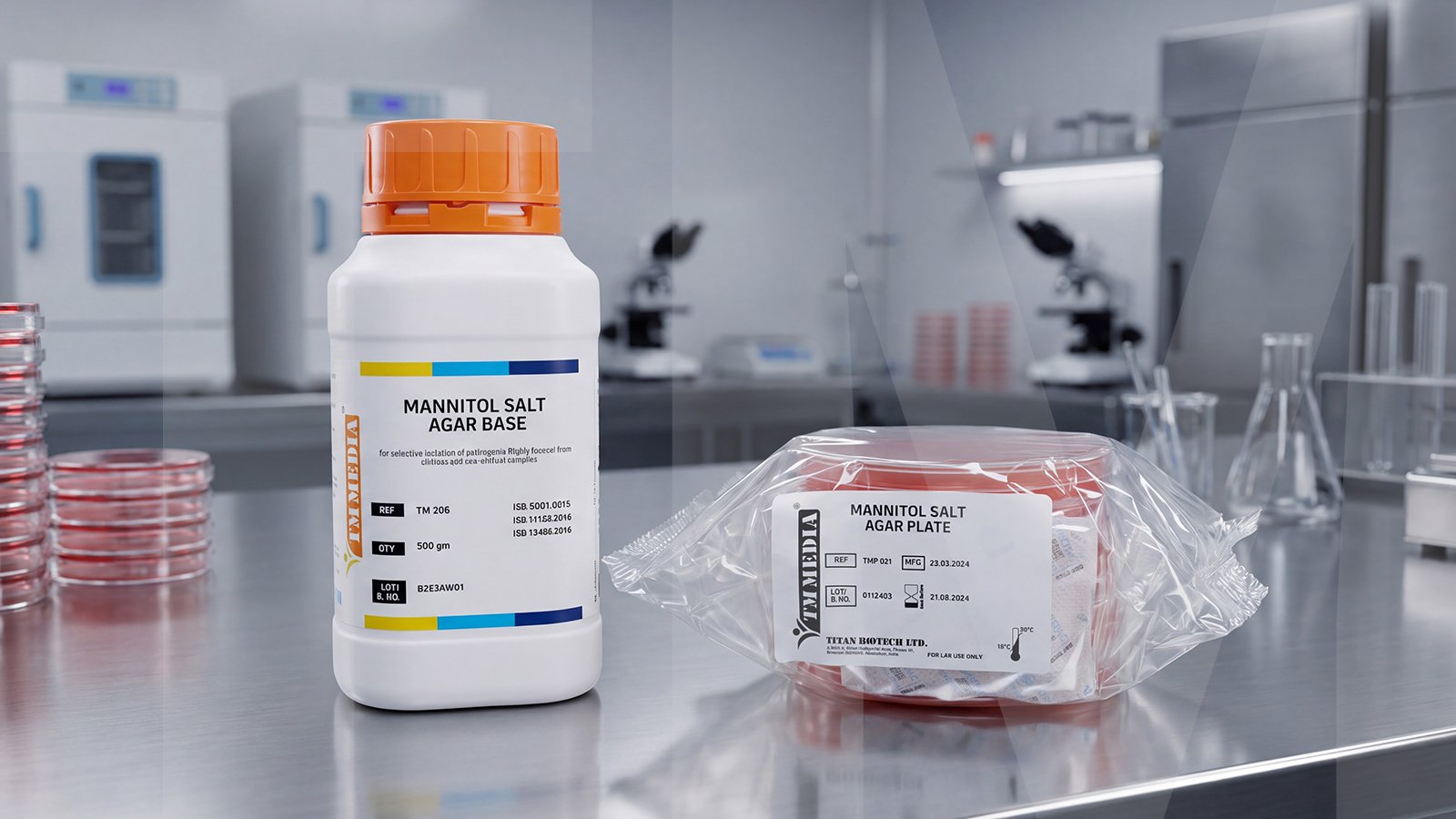
A microbiologist receives a mixed sample and prepares a fresh culture plate. The next question seems simple: which organism will...
Read More
A microbiologist opens two Petri plates after incubation. Both plates contain the same sample. One plate shows clear, well-separated colonies....
Read More
When a microorganism moves from the laboratory to commercial biofertilizer production, one question becomes particularly important: what will you use...
Read More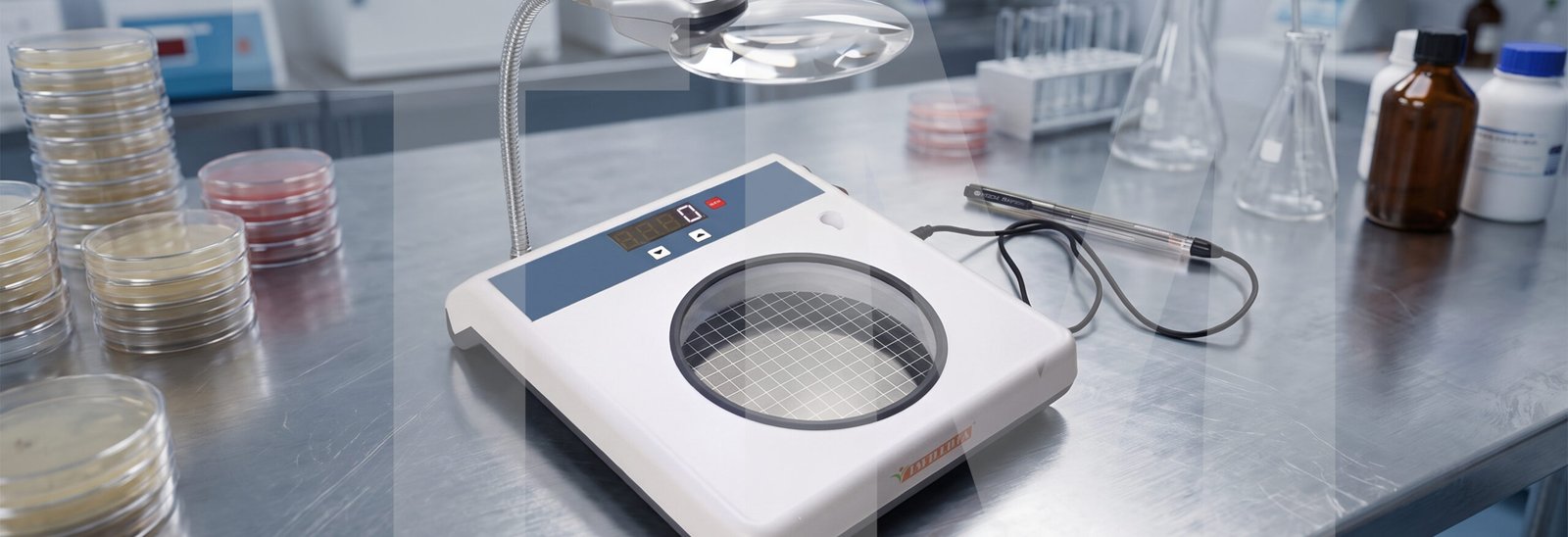
Every morning the microbiology lab receives fresh agar plates from the incubator. Each plate carries dozens of tiny bacterial colonies....
Read More
A water quality laboratory receives samples taken from different points of a distribution network. The testing team shall determine whether...
Read More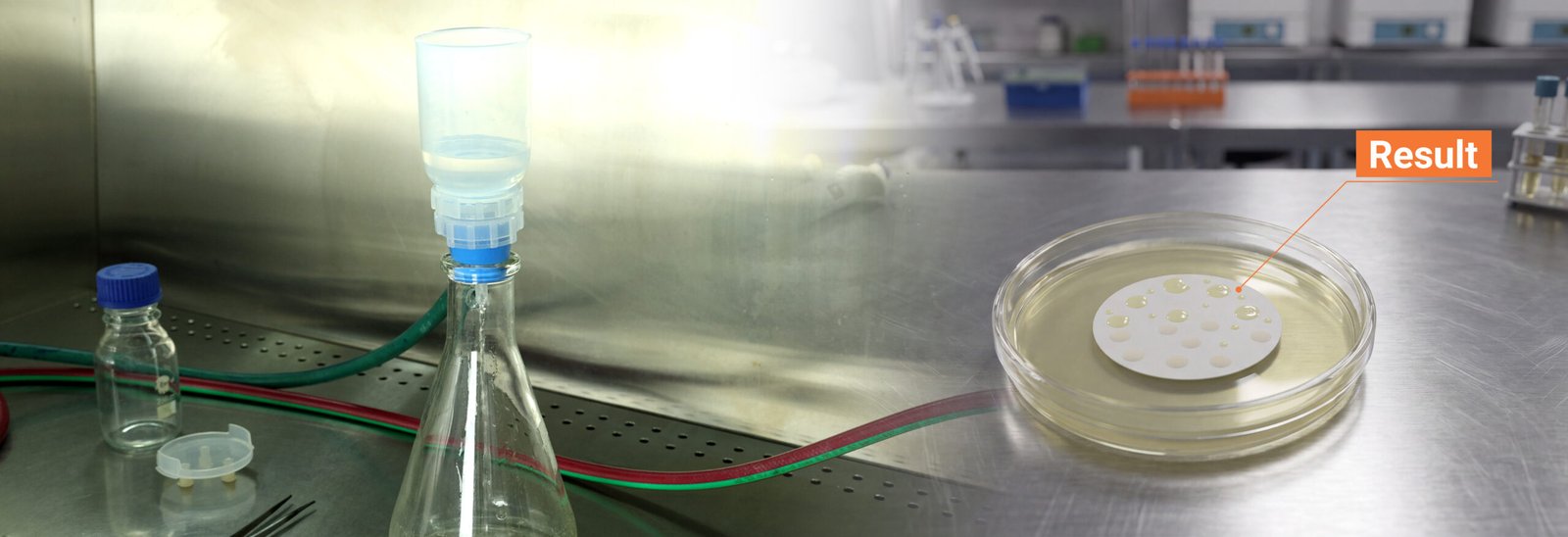
A laboratory receives an urgent request after a routine water quality inspection. Drinking water samples come into a municipal water...
Read More
How can I help you today?
