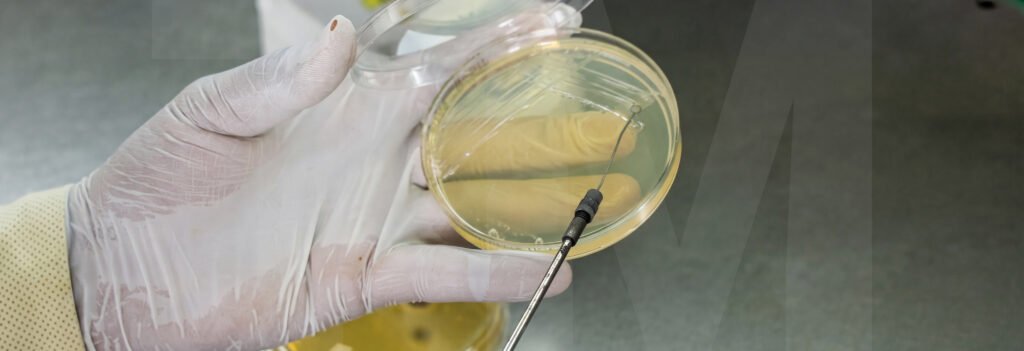
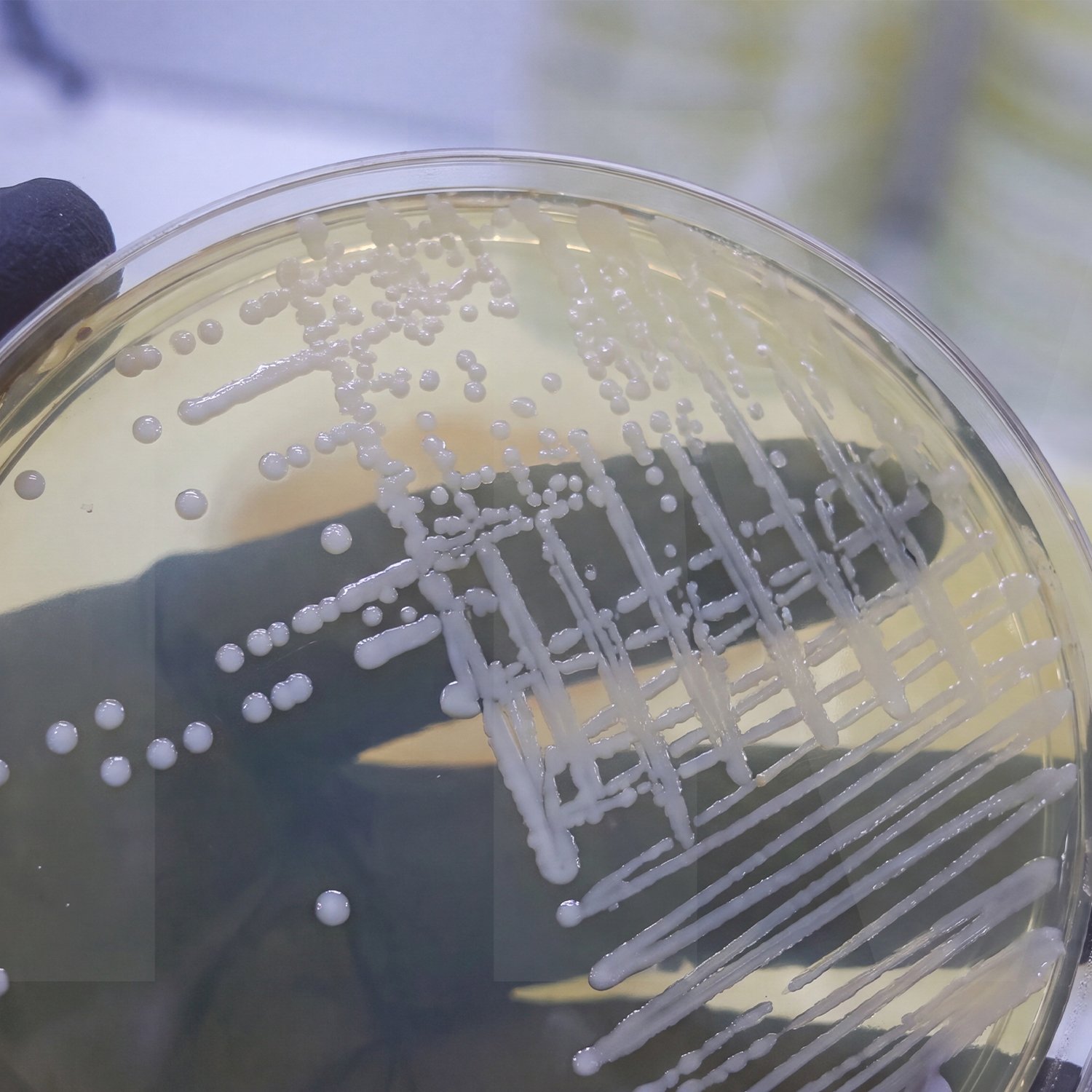
A microbiologist finishes inoculating a culture plate and places it inside the incubator.
The next day, the plate is covered with bacterial growth. Colonies have merged and it is hard to tell where one colony ends and another begins. At this point, identifying the organism becomes much harder. Mixed growth can also affect further testing.
This situation is common in microbiology laboratories.
Whether the sample comes from a patient, a food product, water, or a pharmaceutical environment, the first goal is often the same. The laboratory needs well-isolated colonies before moving to identification or quality control.
That’s why the streak plate method is still one of the first techniques every microbiologist learns. It is simple, cost-effective, and can isolate the individual bacterial cells into isolated colonies.
The streak plate method is a useful microbiological method that allows for the isolation of single bacterial colonies from either a mixed culture or a concentrated culture. The inoculum is spread over different regions of a solid agar medium with a sterile inoculating loop. With each streak, the number of bacterial cells decreases. After incubation, the individual cells multiply to form separate colonies that are easier to observe, identify and use for further laboratory testing.
Most laboratory specimens contain more than one type of microbe. Even a culture that looks pure may contain contaminants if it has not been handled properly.
When bacteria grow in crowded areas, neighbouring colonies overlap. This complicates the observation of the morphology of the colonies and increases the risk of selecting the wrong colony for further testing.
The streak plate method is based on progressive dilution of the bacterial cells into individual colonies. One isolated colony is usually the growth of one bacterial cell or a small group of identical cells. Laboratories use these colonies for biochemical identification, antimicrobial susceptibility testing, culture preservation, and several quality control procedures.
The principle is simple yet effective. With a sterile inoculating loop, place a small portion of the sample on top of the agar. Move the loop in the defined pattern over different parts of the plate. Sterilise the loop or take a new sterile loop before streaking the next section.
Each streak contains a smaller number of bacterial cells than the previous streak. This stepwise dilution results in single bacterial cells on the surface of the agar. During incubation, these cells divide and give rise to isolated colonies.
Although the technique is quite simple, it requires careful handling. Small errors in streaking can cause reduced colony isolation.
Yes, because the technique remains the same, but the culture medium depends on the microorganism being investigated.
Nutrient Agar is commonly used for routine isolation of bacteria and for pure colonies. MacConkey Agar is the medium of choice for the isolation of Gram-negative enteric bacteria and differentiation of lactose fermenters. Hektoen Enteric Agar is the preferred medium when Salmonella and Shigella are suspected in clinical or food samples.
The right medium will provide better recovery of the target organism and a better chance of getting well-isolated colonies.
Several types of streaking are followed in microbiology laboratories. The selection often depends on laboratory practice and the expected microbial load.
This is the most commonly used technique. The agar plate is divided into four sections. Each quadrant receives fewer bacterial cells than the previous one, increasing the possibility of isolated colonies in the final section.
The T-streak divides the agar plate into three sections resembling the letter “T”. Laboratories frequently use this method during routine microbiological work.
The inoculating loop is moved in one continuous pattern over the surface of the agar without dividing the plate into separate sections. It is commonly used when primary isolation is not the primary objective.
No matter what pattern is used, each streaking technique dilutes the bacterial cells on the surface of the agar, which leads to the formation of individual colonies.
Unlike the pour plate method, where microorganisms are mixed with molten agar before solidification, the streak plate method keeps bacterial growth on the agar surface, making isolated colonies easier to observe.
The streak plate method is the widely used laboratory technique in microbiology for the isolation of bacteria.
In clinical microbiology, it is employed to isolate bacterial pathogens from clinical specimens prior to identification and antimicrobial susceptibility testing.
The technique is used in food microbiology laboratories to examine contaminated food samples and to verify foodborne bacteria.
Pharmaceutical quality control laboratories perform the technique during contamination investigations and routine microbial analysis.
Research and teaching laboratories use isolated colonies for culture maintenance, practical demonstrations, and microbiological studies.
Even experienced microbiologists can obtain poorly isolated colonies. A common mistake is to use too much inoculum on the plate. This results in heavy growth in all the streaked areas. Another frequent mistake is not sterilising the loop between sections. Without sterilisation, the bacterial concentration remains almost the same throughout the plate.
Damaging the agar surface while streaking can also interfere with colony appearance. Poor aseptic technique and incorrect incubation temperatures can also reduce culture quality. Identifying such errors helps improve consistency during routine laboratory work.
The streak culture method remains one of the simplest and most dependable techniques for obtaining isolated bacterial colonies. The procedure is relatively easy to do, but successful isolation depends on proper aseptic technique, proper streaking and proper choice of culture medium.
As laboratory technologies continue to advance, pure culture isolation remains an essential part of microbiology. Hence, the streak plate method remains an important technique in clinical, food, pharmaceutical, research, and teaching laboratories.
Q1. What is the best instrument for the streak plate method?
A. Inoculum is usually spread over the surface of the agar with the help of a sterilised inoculating loop.
A. Incubation provides the environment in which bacteria grow to visible colonies. Temperature and time of incubation should be determined by the microorganism to be cultured.
A. Usually one isolated colony is sufficient for identification, subculture or other microbiological tests.
A. A successful streak plate shows dense growth in the first streaking area and well-isolated colonies in the final streaking sections.
A. Yes. Fresh cultures usually give better growth and clearer colony characteristics.
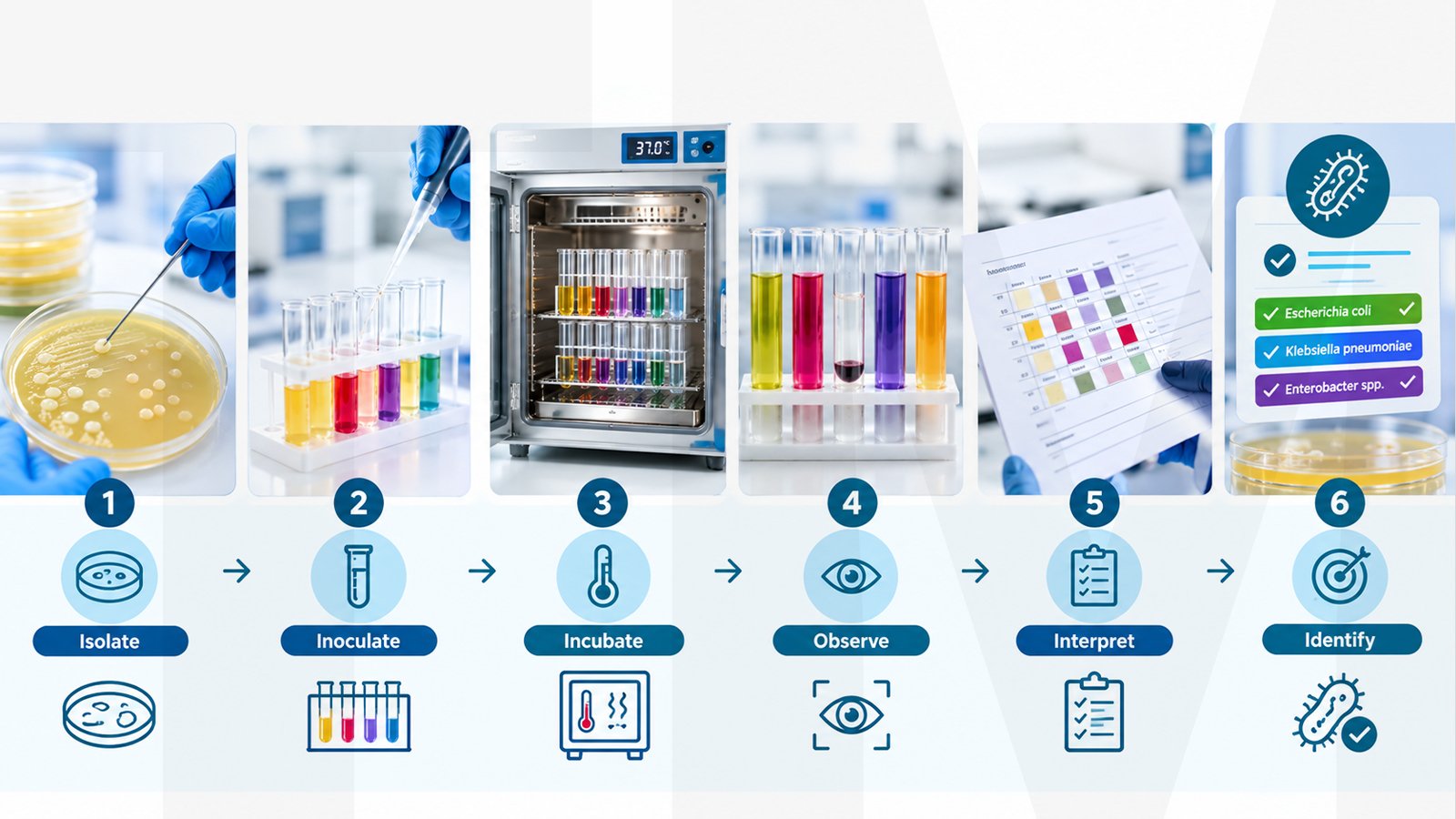
Two bacterial colonies can appear nearly indistinguishable on an agar plate. Yet their metabolic activities can expose significant differences. A...
Read More
A microbiologist studies a bacterial culture that looks no different from many others. Yet, its metabolic capabilities may be an...
Read More
A small tube sits on a microbiologist’s bench, looking almost ordinary. Its orange medium waits for one biological event to...
Read More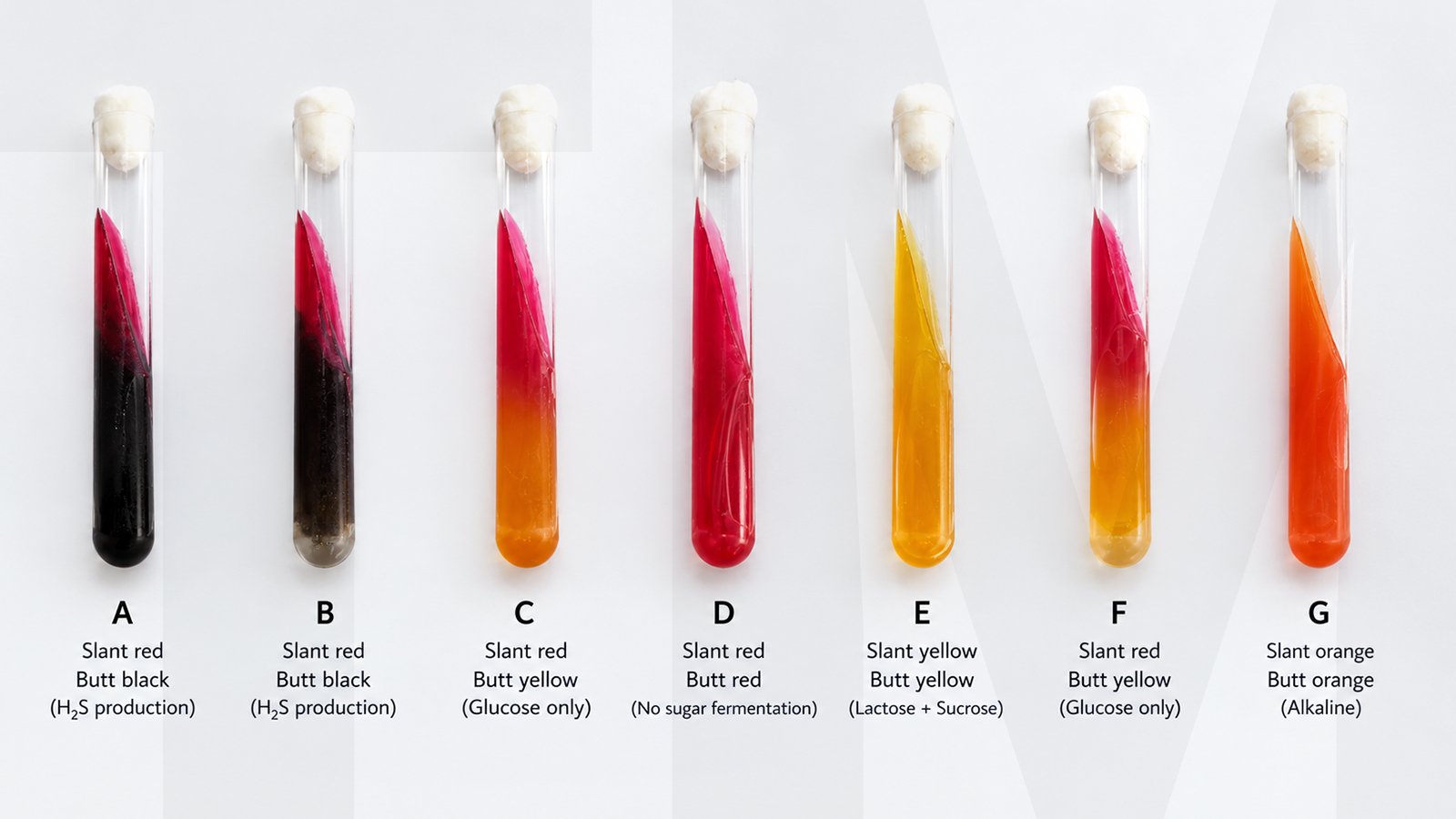
A microbiologist often looks beyond what appears on a culture plate. A tiny change in colour can reveal an important...
Read More
A colony appearing on an agar plate may look like a simple result. Yet, that small colony reflects everything the...
Read More
A microbiologist receives a mixed sample and prepares a fresh culture plate. The next question seems simple: which organism will...
Read More
How can I help you today?
