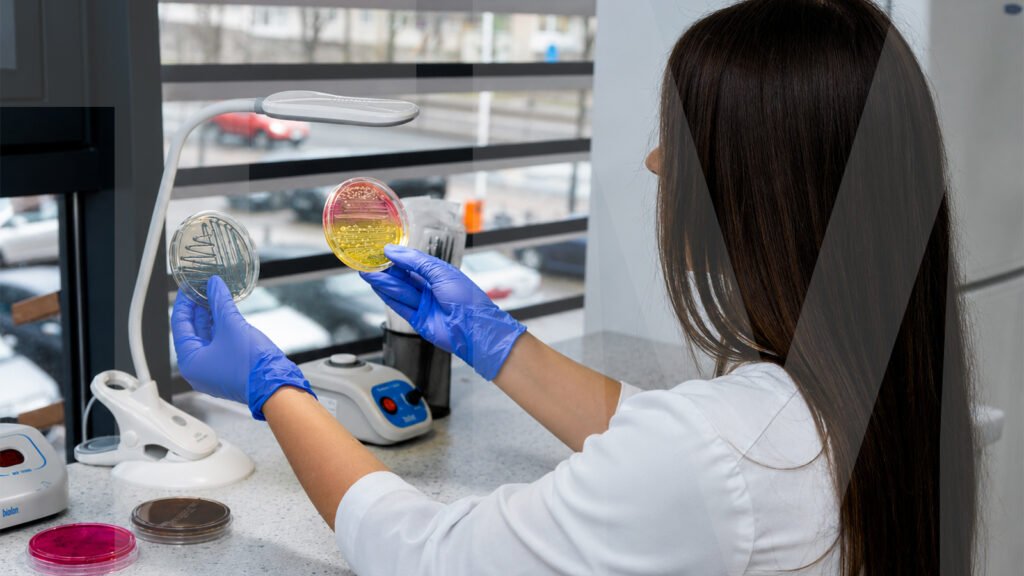
A microbiologist opens two Petri plates after incubation. Both plates contain the same sample.
One plate shows clear, well-separated colonies. The other shows very little growth.
The sample was not necessarily the problem. The growth environment may have made the difference.
All cultures are initiated by a choice that often goes unnoticed. The laboratory must supply the appropriate nutrients and conditions for a colony to appear.
This is where media in microbiology comes into play. The right medium can help to grow, show characteristics or recover a specific microorganism.
Media in Microbiology matters because not all microorganisms require the same conditions to grow. Some require simple nutrients, while others require additional growth factors.
A suitable medium supplies these requirements in a controlled manner. It can also create conditions that are conducive to certain microorganisms.
This makes media more than a substance placed within a Petri plate. It becomes part of the testing process itself.
The choice depends on what the laboratory wants to achieve.
When people think about Culture Media, they often picture a solid agar plate. Agar only provides the physical structure for many solid formulations.
The nutritional composition does much of the important work.
Media can contain sources of carbon, nitrogen, minerals, salts, vitamins, and other nutrients. Some formulations also contain selective or differential components.
Liquid media support organisms in suspension. Solid media help laboratories obtain individual colonies. Semi-solid formulations can support applications such as motility testing.
So, the physical form is only one part of the selection.
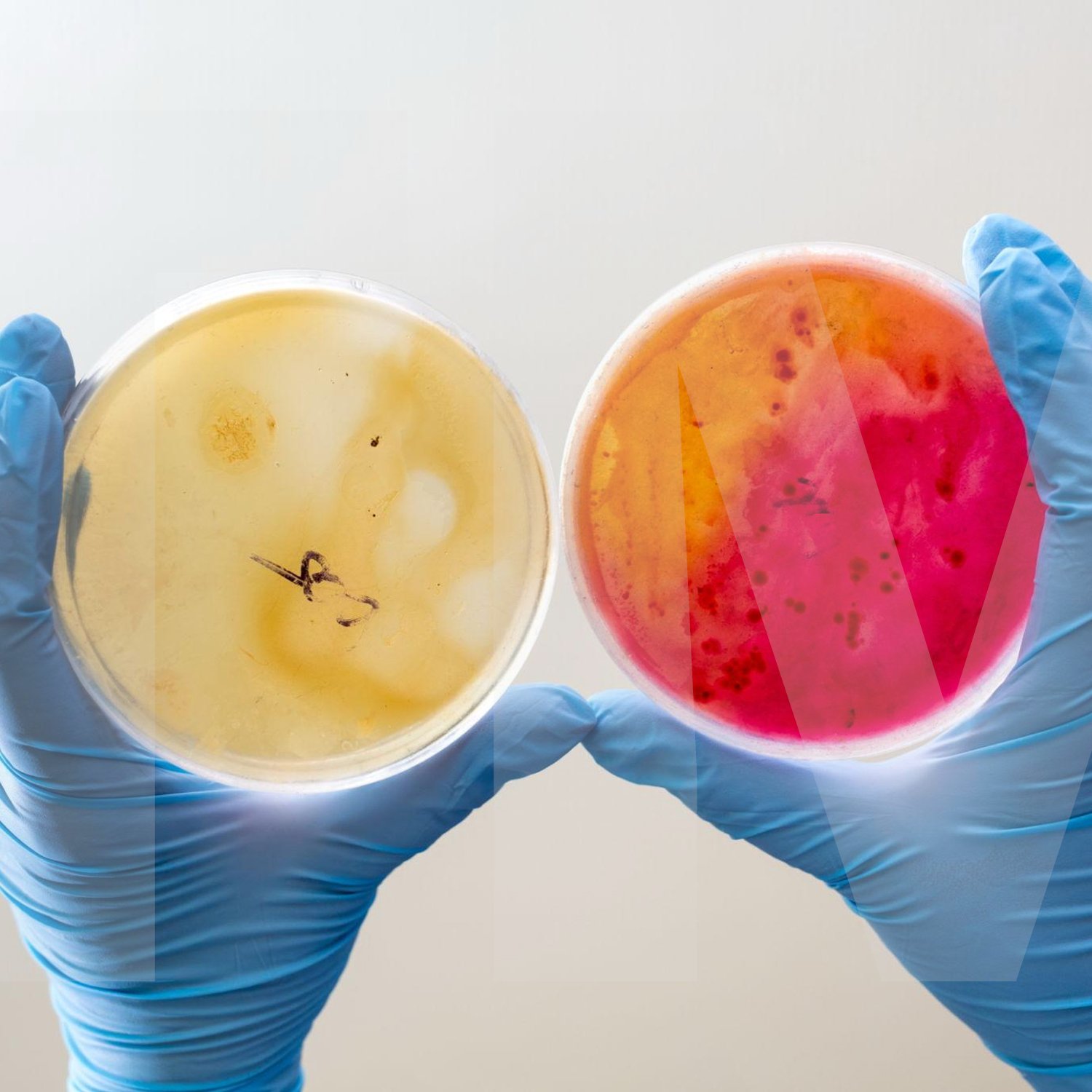
The types of media in microbiology vary because microorganisms and laboratory objectives vary.
A general-purpose medium can support many microorganisms with basic nutritional requirements. A more elaborate formulation may allow for more demanding needs of organisms.
Selective media contain ingredients that will inhibit the growth of certain microorganisms. MacConkey Agar is selective for Gram-negative bacteria and aids in the differentiation of lactose fermenters.
Differential media are used to differentiate microorganisms by visible changes in the media due to biochemical reactions. CLED Agar can be used to differentiate urinary pathogens on the basis of lactose fermentation and colony morphology.
Enrichment media may increase the relative numbers of a target organism in a mixed population. Selenite F Broth allows enrichment of Salmonella from some samples.
Transport media serve a different purpose. They help maintain microorganisms during transportation without supporting extensive multiplication. Stuart Transport Medium helps preserve viable microorganisms during sample transport.
Each formulation therefore answers a different laboratory need.
Media in Microbiology serves different purposes, with each formulation selected for a specific task.
A laboratory may need to grow microorganisms for further testing. Individual colonies from a mixed sample may need to be isolated. Nutrient Agar is a general-purpose medium that can support the growth of many different microorganisms.
A further test may be needed to differentiate between similar organisms. Some workflows may focus on enumeration, where laboratories count the number of viable microorganisms.
Other applications require particular nutritional conditions or controlled chemical compositions.
Defined media have known chemical components in specified quantities. Complex media contain ingredients such as peptones, extracts or digests whose complete chemical composition may vary.
The laboratory selects depending on the organism, the sample, the method and the intended result.
The importance of media in microbiology becomes clearer across different industries.
Food laboratories use culture media to detect, count and examine microorganisms. Also, for testing water, carefully selected formulations are needed. Products such as R-2A Agar and Chromogenic Coliform Agar are used for the detection and enumeration of microorganisms in water samples.
Microbiological media is used in pharmaceutical laboratories throughout the quality control workflow. Clinical laboratories also depend on suitable media for microbial recovery and identification.
Research laboratories have different requirements. Scientists may need media for maintaining cultures, studying microbial behaviour, screening organisms, or developing fermentation processes.
The same basic principle remains constant. The medium must match the purpose.
Choosing a medium should start with the testing objective.
First, identify the microorganism or microbial group of interest. Then consider its nutritional requirements and growth conditions.
The sample also matters. A food sample can contain a different microbial population from a pharmaceutical or water sample.
The laboratory method provides another important consideration. Standard methods may specify particular media and testing conditions.
Laboratories should also consider the required format. Dehydrated formulations allow preparation according to laboratory requirements. Ready-to-use plates, bottles, tubes, and other formats can simplify routine workflows.
TM Media provides these different formats across its range of microbiology products to help laboratories with media for a variety of testing and research applications.
A good result depends on more than choosing the correct formulation.
The final medium is affected by preparation, sterilisation, storage and handling. Incorrect preparation can affect growth characteristics and compromise testing.
Therefore, laboratories should practise systematic media preparation and adequate storage. In routine workflows, ready-to-use formats can also decrease the number of steps required for sample preparation.
Throughout the process, quality control remains important.
This is why media in microbiology is more than just picking a product from a catalogue. It requires understanding the relationship between the microorganism, medium, method and application.
The next time you see a microbial colony on a plate, remember that the colony is more than just microbial growth.
A medium had been chosen for a specific purpose before that colony appeared. They consider the organism, the sample, the method, and the conditions required.
That decision helped create an environment in which the microbe could reveal itself.
Understanding media in microbiology therefore means understanding the foundation behind microbial cultivation and testing.
The medium may seem like a small part of the workflow. In practice, it can influence what grows, what gets detected, and what the laboratory can learn from the sample.
A. The recommended temperature helps maintain the stability and performance of the medium.
A. It is often used for applications like motility testing.
A. Agar is mainly used as a solidifying agent. It offers a stable surface for growth where microbes are able to grow and produce visible colonies.
A. The terms are often used interchangeably. In both cases these are nutrients supplied to the microorganisms to stimulate their growth, recovery, differentiation or maintenance.
A. Small errors in the preparation may alter the nature of the medium. Inappropriate weighing, pH adjustment, sterilisation or cooling can affect recovery of the microorganism and the performance of the test.
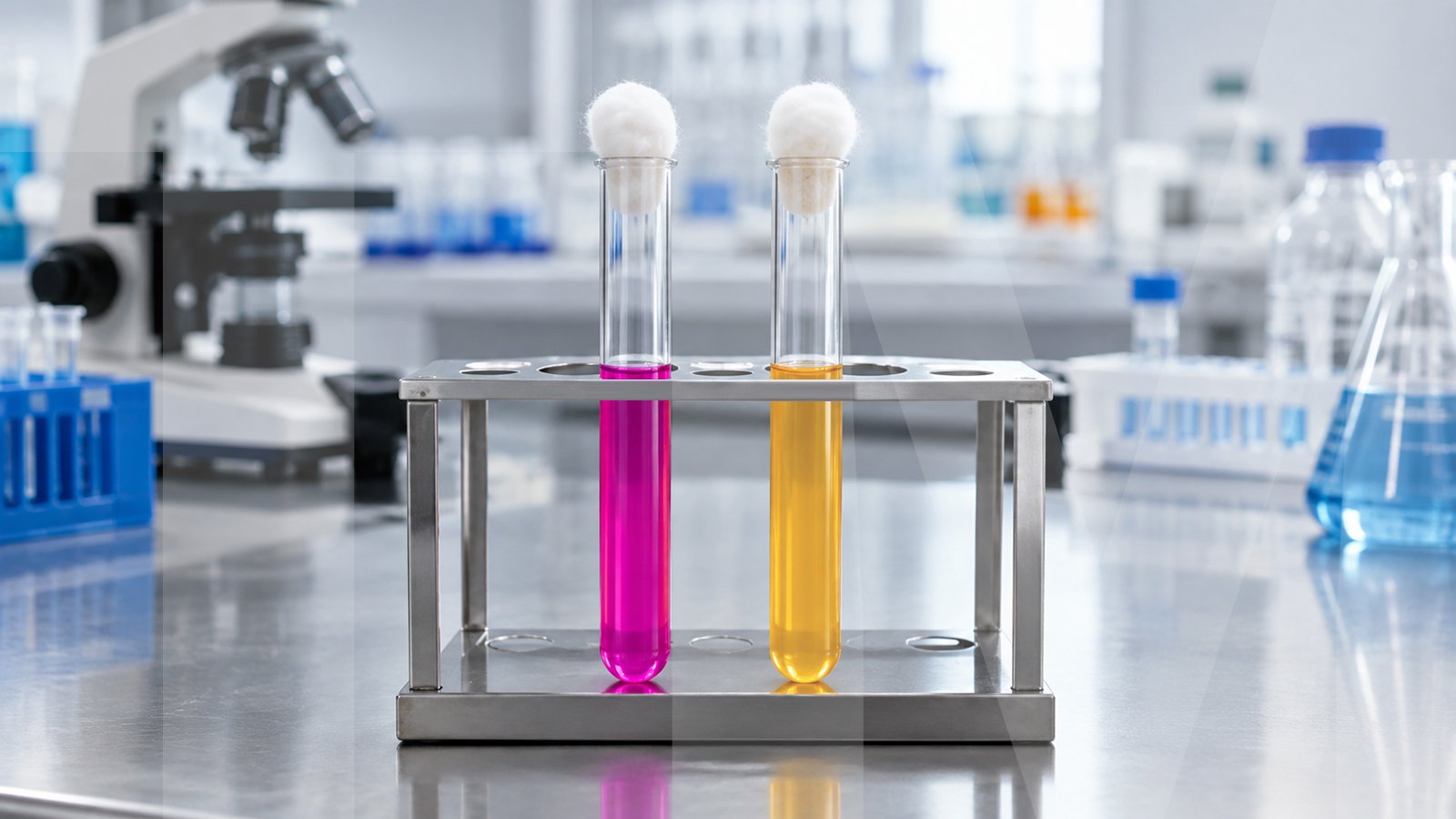
A small tube sits on a microbiologist’s bench, looking almost ordinary. Its orange medium waits for one biological event to...
Read More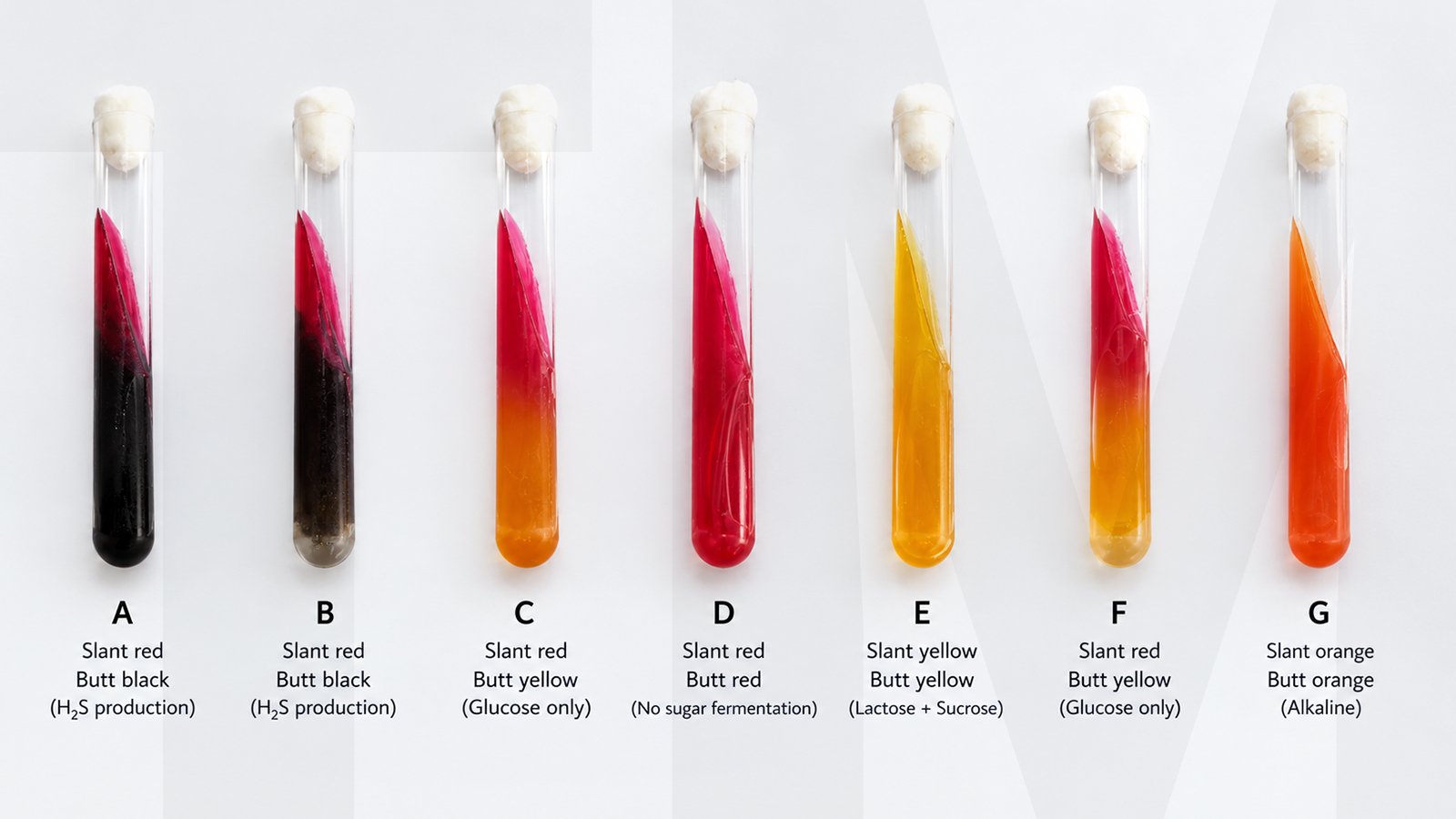
A microbiologist often looks beyond what appears on a culture plate. A tiny change in colour can reveal an important...
Read More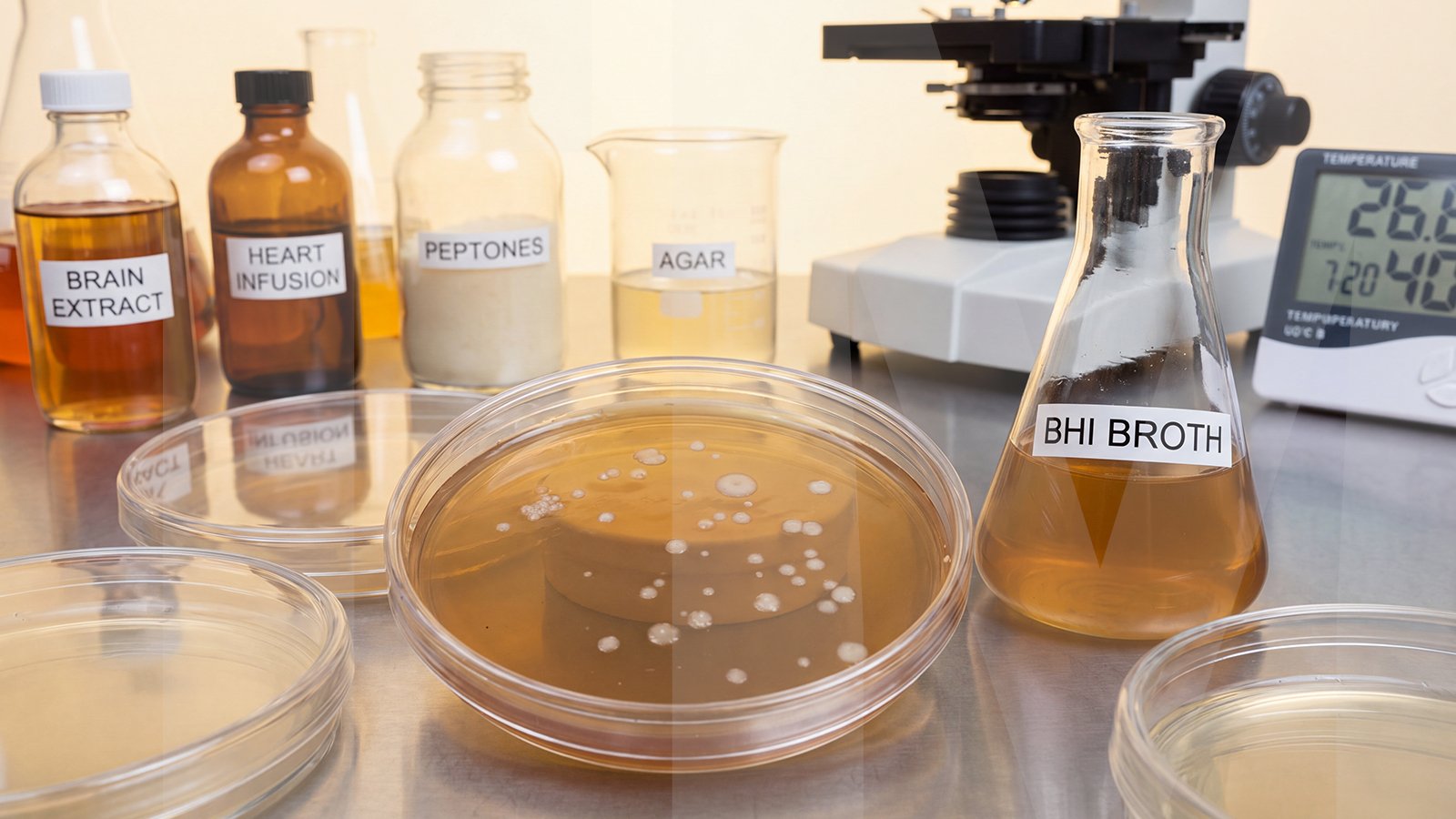
A colony appearing on an agar plate may look like a simple result. Yet, that small colony reflects everything the...
Read More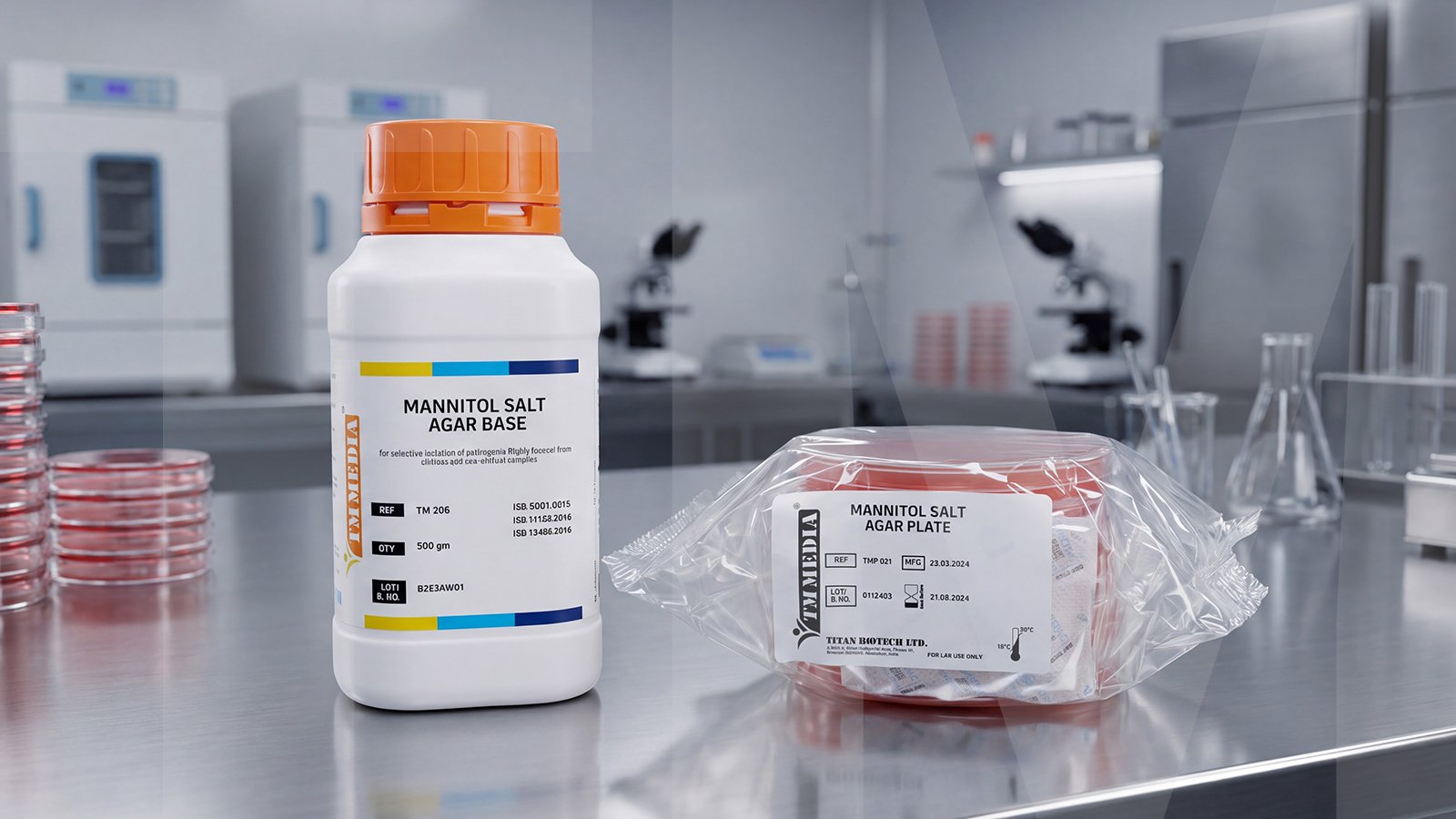
A microbiologist receives a mixed sample and prepares a fresh culture plate. The next question seems simple: which organism will...
Read More
When a microorganism moves from the laboratory to commercial biofertilizer production, one question becomes particularly important: what will you use...
Read More
How can I help you today?
