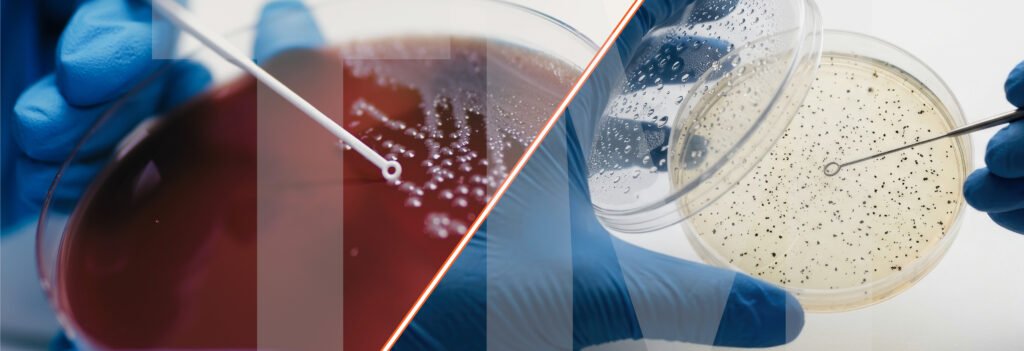
In every microbiology laboratory, careful handling of microorganisms is a key priority. Even a minor error in the transfer of a culture can compromise the whole result. This is why simple laboratory tools often become extremely important in daily microbiological work. One such tool is the Inoculation Loop.
Although small and simple in appearance, microbiologists can use an inoculation loop to transfer microorganisms from one medium to another. The tool is used almost every day in research laboratories and diagnostic centers to handle microbial cultures with a minimal risk of contamination.
An inoculation loop is a simple tool used by microbiologists to pick, transfer, or spread samples of microorganisms. It is generally made up of a thin wire attached to a handle having a small loop at one end of the wire. The loop is designed in a way that it can hold a tiny amount of microbial culture and thus helps microbiologists in transferring organisms precisely without the risk of damage to the sample or contamination of the surrounding area. Although the tool appears basic, microbiologists use it regularly during routine microbiological procedures in laboratories.
The inoculation loop is generally made using metal wire such as nichrome or platinum. These metals can be heated again and again without damage, which makes them ideal for use in the laboratory. An insulated handle holds the wire and helps microbiologists use the instrument safely during sterilization.
Some laboratories also use disposable plastic loops. Clinical and high-workload laboratories often use these pre-sterile loops because repeated flaming is not practical in such settings. The size of the loop can also be different according to its use. Certain loops are specifically designed to measure a fixed volume of liquid, particularly in urine culture testing.
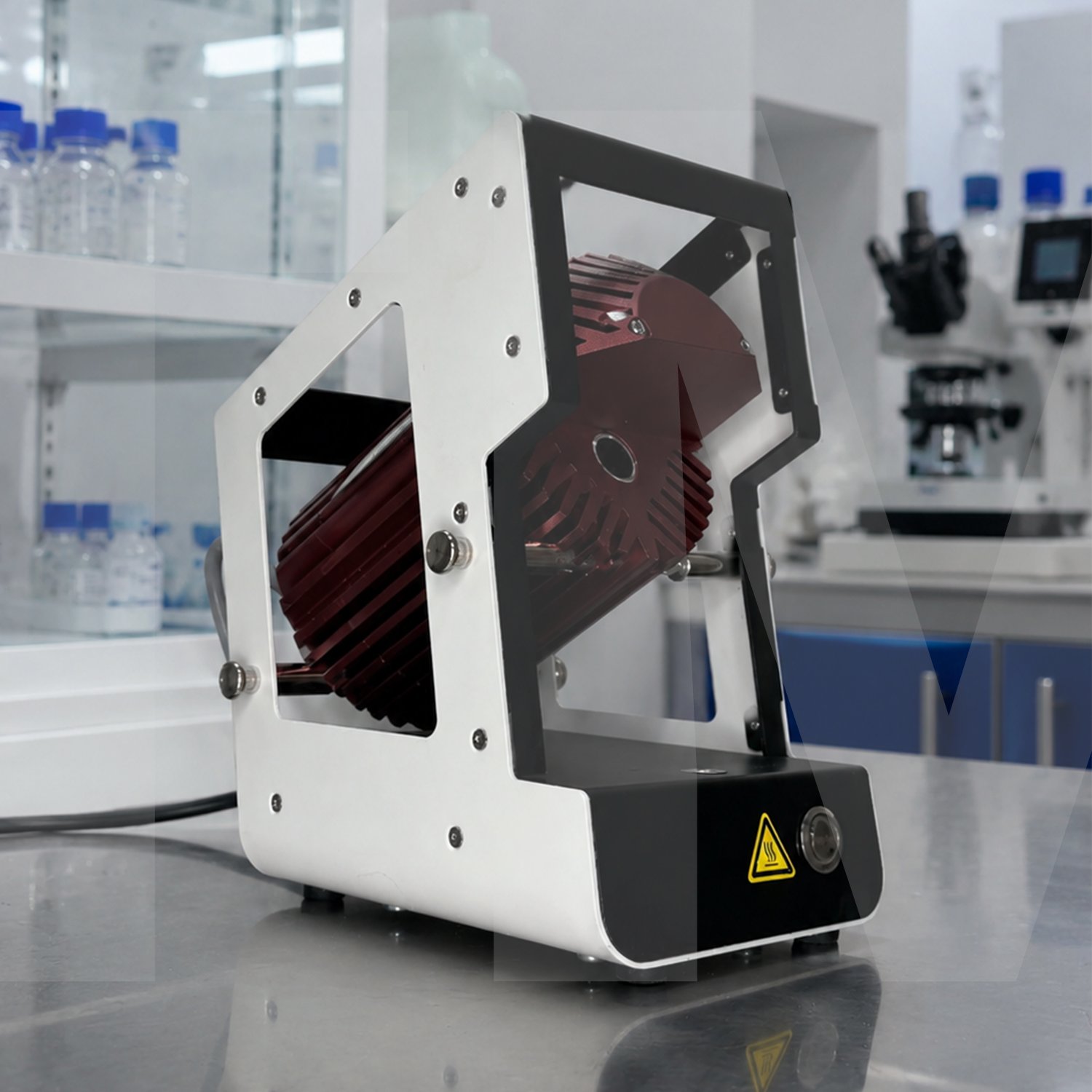
Before and after use, the inoculation loop is sterilized to prevent contamination and maintain aseptic conditions during microbiological procedures. The traditional method of sterilization involves holding the wire loop in flame until it turns red hot and that will sterilize the loop and kill any microorganisms present on the surface. After cooling down, the loop is used to touch the culture as the hot loop can kill sensitive microorganisms.
However, many modern laboratories now use an Infrared Loop Sterilizer as a safer alternative to open flames. This tool uses ceramic infrared heating technology for sterilizing inoculation loops, needles, and other small instruments while improving laboratory safety. The flame-free feature makes it excellent for use in the biosafety cabinet and other controlled laboratory environments. Sterilization remains a key factor to keep the working field aseptic and the microbiological results trustable.
Although both instruments are used in microbiology laboratories, they serve different purposes. The inoculation loop has a circular tip made of wire, which makes it suitable to collect and streak cultures on agar plates.
The straight inoculation needle is suitable for stab cultures and deep inoculation methods. It is used to observe bacterial motility, oxygen needs and growth patterns in deep culture media. The choice of tool will vary depending on the specific lab technique.
Although the inoculation loop is very useful in microbiology laboratories, it still has some limitations that should not be ignored. Improper handling or sterilization of an inoculation loop can directly influence the reliability of laboratory results.
Modern laboratories rely on sophisticated automated systems for culture analysis and identification. However, the inoculating loop is still one of the most essential instruments in the laboratory. There are still many diagnostic and research protocols in which cultures must be manually inoculated and isolated. The tool is also important in microbiology education. Students learning culture techniques usually start with loop sterilization, culture transfer, and streak plating methods before advancing to more complicated procedures.
Though the inoculation loop is a small tool used in laboratories, its importance in microbiology is quite significant. Its accuracy in inoculation, isolation of cultures and aseptic laboratory technique make it a necessary item in research, education and diagnostic environments. As microbiology continues to advance, the inoculation loop remains a dependable and practical instrument that assists in both the initial stages of laboratory training as well as in daily microbiology work.
A. Different size loops enable the laboratories to transfer varying amounts of culture. That depends on the analytical technique and the sample.
A. No
A. Yes, it is routinely applied to pick single colonies from agar plates.
A. Disposable loops are useful and reduce sterilization steps, but a number of laboratories still consider metal loops for general and repeated microbiological work.
A. To prevent contamination and ensure reliable results.
A colony appearing on an agar plate may look like a simple result. Yet, that small colony reflects everything the...
Read More
A microbiologist receives a mixed sample and prepares a fresh culture plate. The next question seems simple: which organism will...
Read More
A microbiologist opens two Petri plates after incubation. Both plates contain the same sample. One plate shows clear, well-separated colonies....
Read More
When a microorganism moves from the laboratory to commercial biofertilizer production, one question becomes particularly important: what will you use...
Read More
Every morning the microbiology lab receives fresh agar plates from the incubator. Each plate carries dozens of tiny bacterial colonies....
Read More
A water quality laboratory receives samples taken from different points of a distribution network. The testing team shall determine whether...
Read More
How can I help you today?
