
With the modernization and industrialization, the landscape of Indian biotechnology is also rapidly evolving. The announcement of the Biopharma SHAKTI initiative in 2026 Indian Budget marks a watershed moment. India is now striving to capture a dominant share of the global biologics market. Now the spotlight has shifted from end-product formulation to the base of biomanufacturing: Biological Media Bases.
A biopharma hub can only be truly “Shakti” (powerful) if it can get the raw ingredients it needs to grow life-saving cells on its own. At TM Media, we know that the first step to making world-class biosimilars and vaccines is to look at molecules.
Traditional Culture Media are good for general growth, but the standards for making biosimilars are much higher. Each ingredient serves as a metabolic switch that can either improve or lower the quality of the final product.
The purity of Biological Media Bases directly impacts the “Critical Quality Attributes” (CQAs) of a drug. A slight variance in the purity of a nitrogen source or a mineral salt can lead to a biologically different product, put risk of regulatory approval.
To produce biosimilars, most of which rely on CHO (Chinese Hamster Ovary) or NS0 (Mouse Myeloma) cell lines, the choice of base ingredients dictates metabolic efficiency.
Complex bases called hydrolysates are produced by break down of protein. They offer an abundance of growth factors and amino acids.
As the industry is shifting toward Quality by Design (QbD), the Chemically defined bases are emerging as the core of the SHAKTI mission.

Precision nutrition is necessary for precision medicine. Certain amino acids, including L-Glutamine, and trace elements, such as Zinc and Copper, are essential co-factors for the enzymes that shape biosimilar proteins into their active 3D forms.
The goal of the Biopharma SHAKTI mission is to turn India from a “pharmacy of the world” into a Biotech Powerhouse. This change requires us to stop using imported media parts and start using high-quality, homegrown ones instead.
| Media Base Type | Key Components | Best Use Case | Impact on SHAKTI Mission |
|---|---|---|---|
| Yeast Extract | Nucleotides, B-Vitamins | High-density cell growth | Reduces time-to-market via faster doubling. |
| Soy Peptone | Vegetable Nitrogen | AOF-compliant production | Ensures global safety & regulatory acceptance. |
| Chemically Defined | Pure Salts & Amino Acids | Biosimilar Fingerprinting | Guarantees batch-to-batch consistency. |
| Meat Extract | Peptides, Fatty Acids | Legacy Vaccine Mfg | Reliable base for established biologics. |
The Biopharma SHAKTI mission is a call to action. As we scale from R&D to 10,000-liter bioreactors, the integrity of our Culture Media Ingredients will dictate the efficacy of our vaccines and the safety of our biosimilars.
At TM Media, we ensure that Indian biomanufacturing is not just growing, but performing at its peak physiological potential that’s why we offer quality assured fermentation ingredients.
Explore our comprehensive range of Biological Media Bases at tmmedia.in.
Q1. Why is the choice of Culture Media Ingredients critical for Biosimilarity?
Biosimilars must be “highly similar” to the originator drug. Since the host cells are living systems, they are extremely sensitive to their environment. Even minor variations in media ingredients can alter the protein’s glycosylation pattern. These changes can affect the drug’s safety and efficacy, making high-purity, consistent ingredients essential for regulatory approval.
Q2. What are the advantages of using Animal Origin-Free (AOF) media in biomanufacturing?
AOF media ingredients are crucial for two main reasons: Safety and Regulatory Ease.
Q3. Can media ingredients influence the cost of Biosimilar production?
Yes, significantly. Media can account for a large portion of the “Upstream” operating costs.
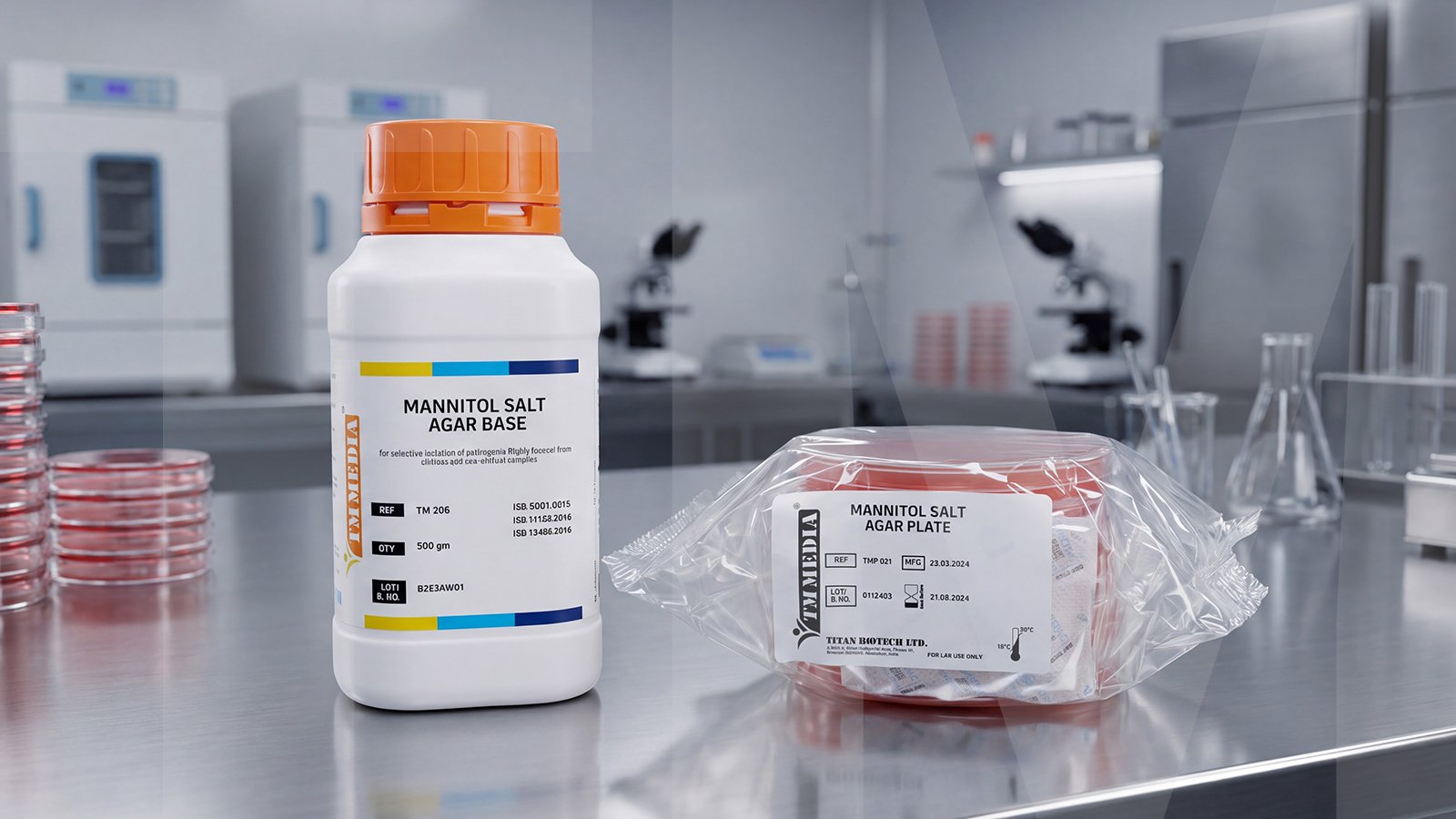
A microbiologist receives a mixed sample and prepares a fresh culture plate. The next question seems simple: which organism will...
Read More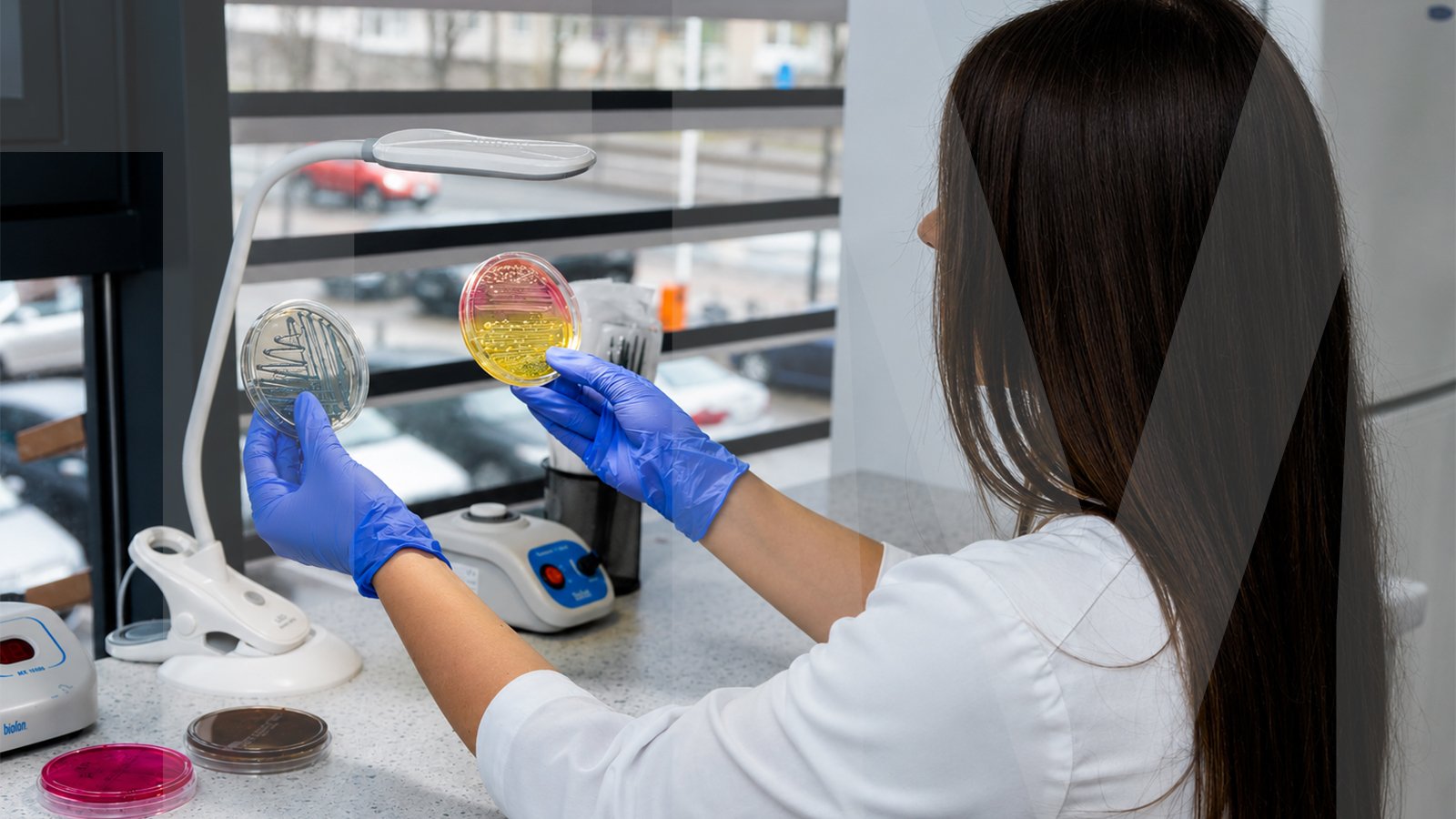
A microbiologist opens two Petri plates after incubation. Both plates contain the same sample. One plate shows clear, well-separated colonies....
Read More
When a microorganism moves from the laboratory to commercial biofertilizer production, one question becomes particularly important: what will you use...
Read More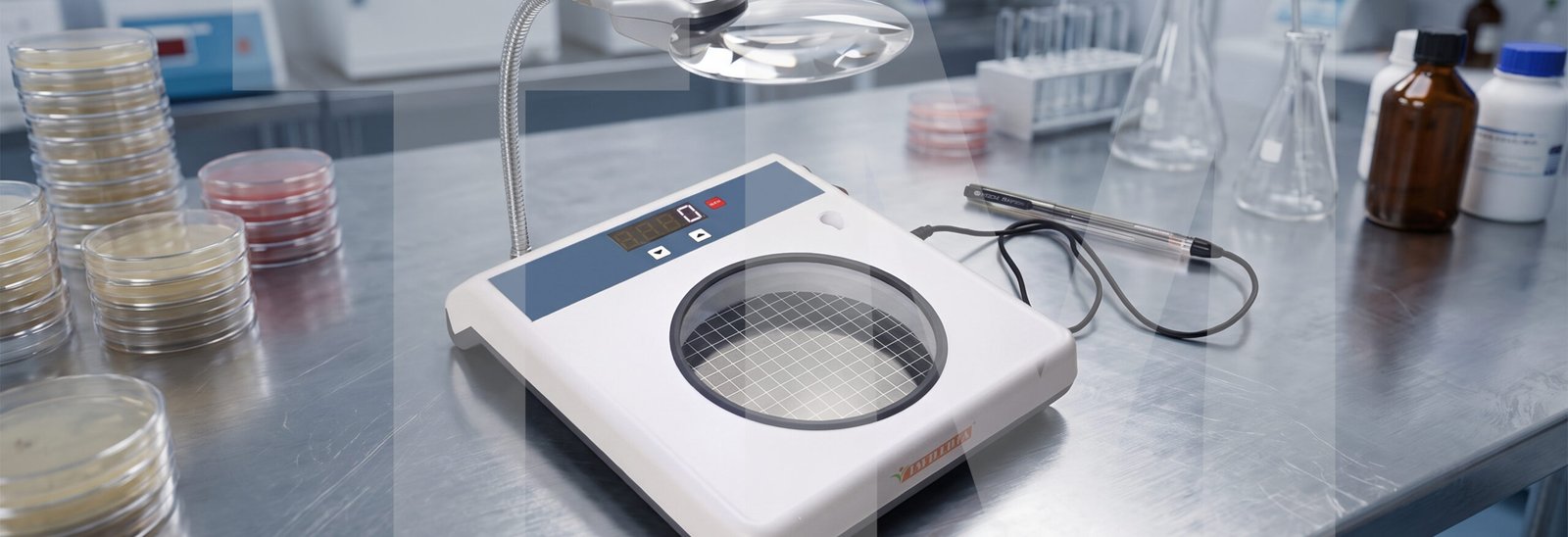
Every morning the microbiology lab receives fresh agar plates from the incubator. Each plate carries dozens of tiny bacterial colonies....
Read More
A water quality laboratory receives samples taken from different points of a distribution network. The testing team shall determine whether...
Read More
A laboratory receives an urgent request after a routine water quality inspection. Drinking water samples come into a municipal water...
Read More
How can I help you today?
