The water in laboratories and in industrial processes often looks clear and clean, but it can carry microorganisms, pathogens, and invisible contaminants. Determining that water is safe takes more than intuition; it requires routine testing. Here comes the water analysis test to protect public health and quality standards in industries, laboratories and even at home.
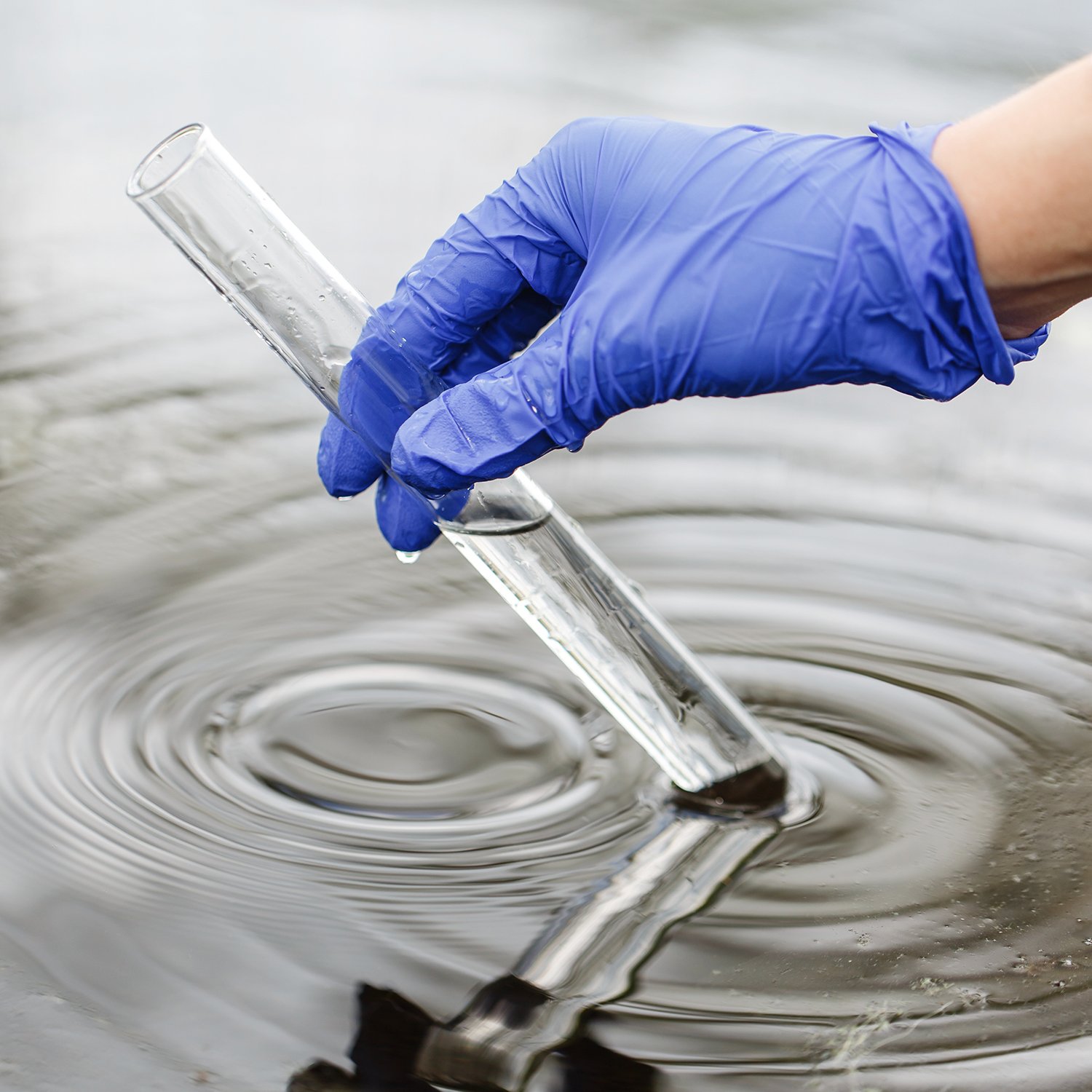
A water analysis test is an analysis of the physical, chemical and microbiological properties of water. These tests are used to identify pathogenic microorganisms, determine water quality for drinking or industrial processes, and verify compliance with specified parameters. Unlike simple visual inspection, Microbial Water Testing can identify bacteria, fungi and other pathogens that can have a negative impact on human health and, in some cases, be life-threatening.
Microbiological analysis of water is used to determine the presence and concentration of microorganisms. Such testing can identify microbial contamination like coliforms, E. coli, Salmonella and other pathogenic bacteria). It is an important process in pharmaceuticals, food and beverage, agriculture and environmental monitoring. This testing contributes to the verification that water is suitable for use in laboratories, hospitals and production areas without risk of pathogen contamination of experiments or products.
A water culture test is typically the first step. Incubation of samples in selective growth media allows for the growth and enrichment of bacteria and fungi. By counting colonies and identifying the organisms involved, it is possible to evaluate the microbial load and to decide if further treatment is necessary.
Water is necessary for the life of living organisms and also in various processes in industries, medicines and research. Contaminated water may cause the following:
The water analysis test can be helpful in offering accurate information to avoid such problems. It acts as a reference for corrective actions such as purification, filtration or disinfection.
Performing a water analysis test needs careful attention, a clean work environment, and the proper equipment. Here is a brief overview:
It enumerates all the microorganisms on the surface and subsurface of water to give a uniform assessment of water quality.
The importance of a water analysis test is not limited to labs only:
In every application, the end result is a high-quality water test to help safeguard public health and operational quality.
High-quality kits are essential for the correct and speedy analysis of water. Here are the products of TM Media which are suitable for this purpose:
Water Test Kit (TMK 13): This comprehensive kit contains everything you need to test water for microbial contamination. It enables reliable and efficient microbiological testing of water samples in the laboratory and in industry. Water Test Kit (TMK 13) is particularly useful for the day-to-day routines tests to check that water is safe and meeting with regulatory standards.
Water Testing Kit (Coli Check) (TMK 01): This is a testing kit to detect E. coli bacteria in water, which is among the leading indicators of microbial contamination. It is the right choice for a fast and simple microbiological analysis of water samples collected from municipal sources, food processing industries and laboratory research.
All of these kits make Water Analysis Testing a little bit more accurate, leading to more consistent and reliable results.
The water analysis test is more than just a routine test; it’s a fundamental protection of health, industry, and science. With microbiological testing of water and quality kits such as the Water Test Kit (TMK 13) and Water Testing Kit (Coli‑Check) (TMK 01), researchers and field personnel ensure that every drop of water is as safe and high-quality as it possibly can be.In the era where invisible microbes can be dangerous, regular Water Analysis Tests serve as the frontline defense and offer assurance, dependability and peace of mind. For laboratories, industries or environmental monitoring, water testing is a must-have that never fails, that never lets you down.
A. Standard microbiological analysis of water primarily detects bacteria and fungi. Specialized molecular techniques (like PCR) are required to detect viruses.
A. They provide validated, ready-to-use reagents and consumables, reduce the need for specialized equipment and make it possible to achieve reliable and reproducible results in the laboratory or on the field.
A. Sampling frequency depends on the source and use of water. Municipal water is generally tested monthly, private wells are to be tested at least annually or after any incident of contamination.
A. Traditional culture-based tests are mainly detecting bacteria and fungi. Viruses and protozoa may be detected using molecular techniques or specialized kits.
A. Incubation of water samples enables the growth of micro-organisms to form colonies which can be counted or analysed further. This step is required in order to determine for total viable microbial load in water samples.
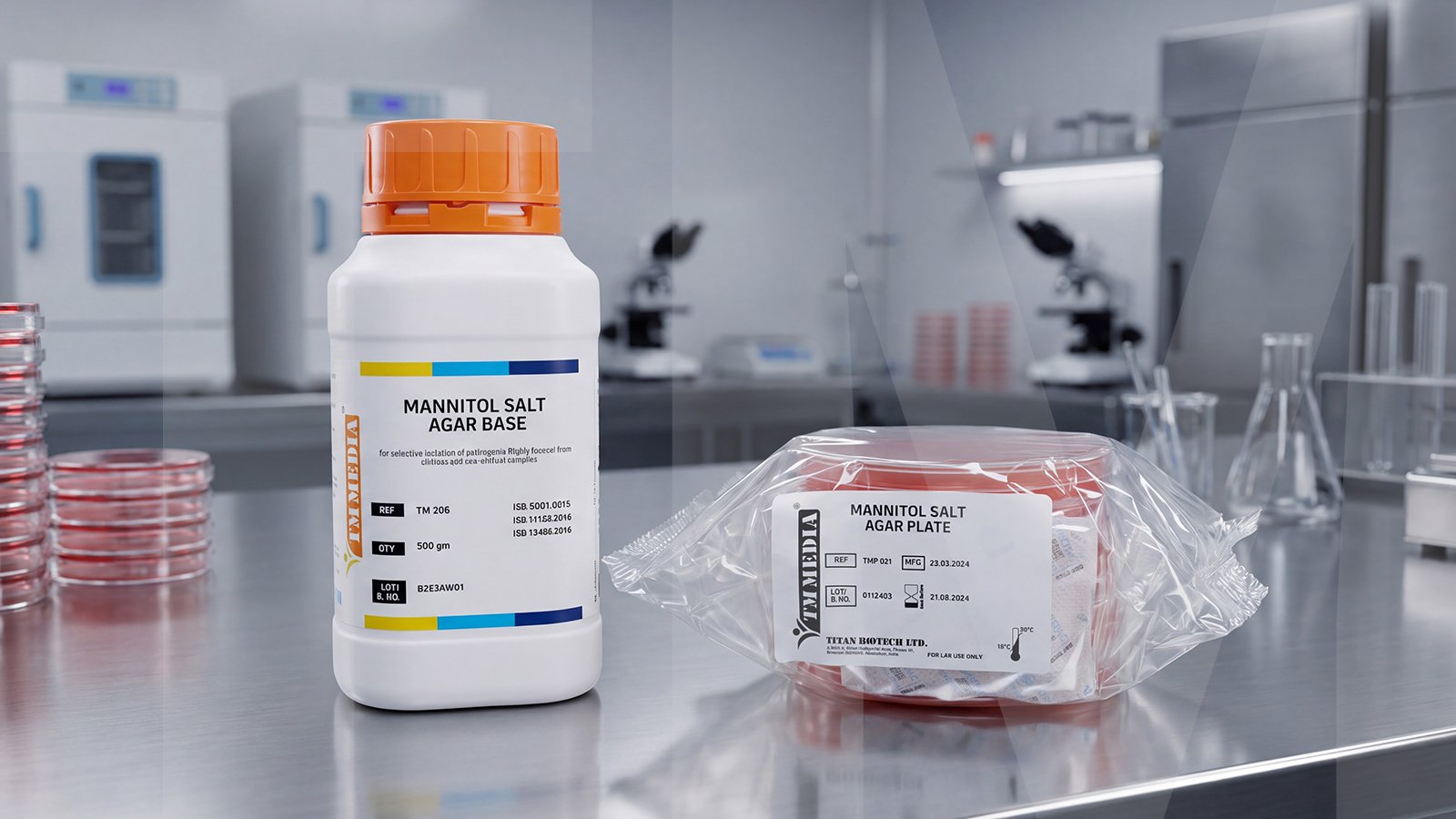
A microbiologist receives a mixed sample and prepares a fresh culture plate. The next question seems simple: which organism will...
Read More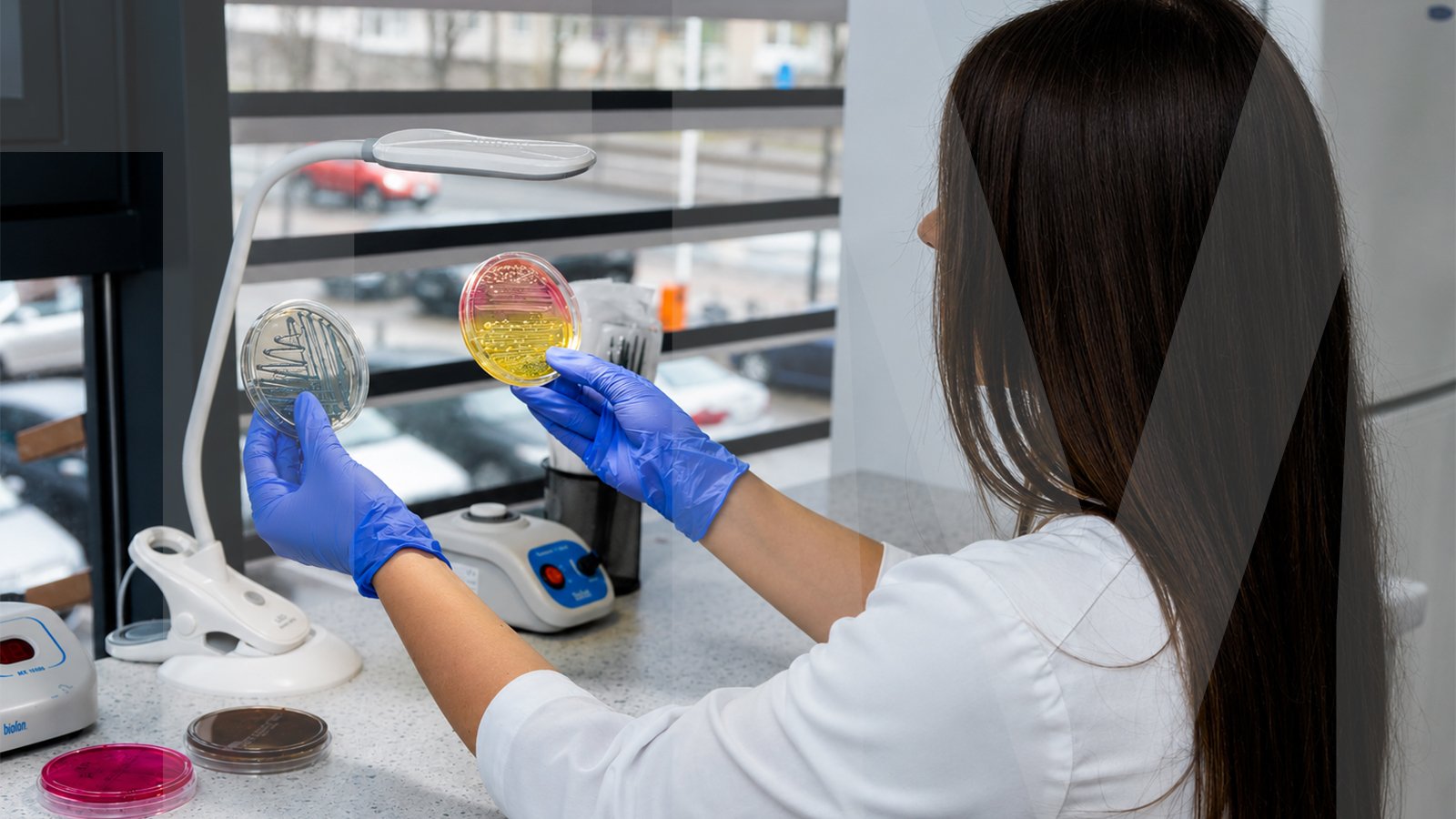
A microbiologist opens two Petri plates after incubation. Both plates contain the same sample. One plate shows clear, well-separated colonies....
Read More
When a microorganism moves from the laboratory to commercial biofertilizer production, one question becomes particularly important: what will you use...
Read More
Every morning the microbiology lab receives fresh agar plates from the incubator. Each plate carries dozens of tiny bacterial colonies....
Read More
A water quality laboratory receives samples taken from different points of a distribution network. The testing team shall determine whether...
Read More
A laboratory receives an urgent request after a routine water quality inspection. Drinking water samples come into a municipal water...
Read More
How can I help you today?
