
A microbiologist studies a bacterial culture that looks no different from many others. Yet, its metabolic capabilities may be an important clue to its identity.
Different bacteria utilize nutrients in different ways. Some bacteria can use certain compounds as a carbon and energy source, while others cannot use those compounds, as they lack the metabolic pathways to use them under certain conditions.
The difference is a useful tool for microbiologists to differentiate between species of bacteria. The Citrate Test is used to determine whether a bacterium can use citrate as its sole source of carbon.
The test doesn’t just look for a change of color; it asks a deeper question: What can this bacterium use to support its growth?
The Citrate Test is a way of determining the test organism’s ability to use citrate under controlled conditions. The test medium contains citrate as an available carbon source.
Carbon is a key element that is required by every bacterium for a variety of cellular processes. However, various species of organisms have different metabolic pathways and enzymes. These differences influence which compounds they can utilize.
A bacterium capable of utilizing citrate can grow on Simmons Citrate Agar under appropriate test conditions.
The visible growth, especially with alkaline color change, is an indication of citrate utilization. This biochemical property is used to distinguish bacterial species with similar morphological features.

Citrate utilization is determined by the metabolic machinery available in the bacterial cell. Some bacteria can transport citrate into the cell and process it through their metabolic pathways.
Simmons Citrate Agar (TM 348) provides citrate as the principal carbon source. It also contains ammonium salts as the available nitrogen source.
The Principle of Simmons Citrate Agar involves the production of alkaline end products during citrate metabolism and ammonium salt utilization, which raises the medium’s pH.
Bromothymol blue is a pH indicator that reacts to the increase in alkalinity. The medium changes from green to blue as pH increases. The color change is a visible sign of the biochemical reaction.
Bacterial growth supported by citrate utilization provides an important indicator of a positive reaction. The associated color change is due to the change in pH. These observations allow microbiologists to evaluate citrate use and to distinguish bacterial species according to their metabolic characteristics.
Simmons Citrate Agar enables a defined nutritional medium for testing bacterial use of citrate. The formulation limits the available carbon sources.
Citrate is the main carbon source needed to support bacterial growth in the medium. This setup is a straightforward metabolic challenge for the tested bacterium.
Under these conditions, the growth of bacteria is used to differentiate between organisms that can use citrate and those that cannot show utilization. This allows the medium to be used to differentiate bacteria on the basis of their metabolic abilities.
In a positive result bacteria growth is usually seen and the color of the medium changes from green to blue. The reaction implies the use of citrate under the test conditions employed.
If no growth is seen, this indicates a negative result, and the media will normally remain its original green color. This means that the organism was not able to use citrate in the test conditions.
But a negative citrate test does not mean that the bacterium cannot utilize citrate under other conditions. The reaction observed may be influenced by factors such as inoculum size, incubation conditions and testing technique.
Therefore, the growth of bacteria and the color of the medium must be carefully observed to be accurately interpreted. Microbiologists are also advised to carry out the prescribed procedure for testing and to interpret the results along with other biochemical characteristics.
The citrate test is used for more than just growth of bacteria. This gives information on the metabolic potential of an organism.
Citrate utilization results are interpreted alongside other biochemical characteristics by microbiologists. Every reaction gives another piece of information about the organism.
For example, the use of citrate can differentiate between bacteria in the Enterobacterales group. Organisms that look similar may have different biochemical profiles.
This approach demonstrates why microbiological identification rarely depends on one observation. A combination of metabolic reactions creates a more useful identification profile.
Several bacterial organisms can show different responses in citrate testing. Escherichia coli commonly produces a negative citrate reaction. Klebsiella pneumoniae commonly produces a positive reaction.
Citrate utilization can also be observed in Enterobacter species. These differences can be useful to microbiologists when differentiating organisms during biochemical identification.
The results should always be interpreted alongside other identification tests. A single biochemical reaction cannot determine the complete identity of an unknown bacterium.
Bacterial identification involves looking at several characteristics together. Such characteristics include enzyme activity, carbohydrate metabolism, growth patterns and other biochemical reactions.
The citrate test contributes one metabolic characteristic to this larger profile.
Suppose two organisms show similar colony appearances. Their biochemical reactions may still be quite different. Combining those reactions can narrow the possible identities.
This approach gives microbiologists a better picture of the organism’s characteristics. It also shows how simple laboratory tests can answer specific biological questions.
The bacterium may look very ordinary on a culture medium, but its metabolism can be distinctive.
The citrate test brings that hidden metabolic difference to light in the laboratory result. It asks whether an organism can make use of citrate in controlled nutritional conditions.
The answer gives another piece of the puzzle in identifying bacteria. More importantly, it demonstrates how microbiologists are able to study bacterial behavior via their nutritional capabilities.
What appears to be a simple growth test therefore explores a much bigger question: what can this bacterium use to survive and grow in a laboratory?
Want to explore Simmons Citrate Agar in more detail? (click here)
Find out more about our Simmons Citrate Agar product.
A. The citrate test is essentially a differential biochemical test. It differentiates bacteria on the basis of citrate utilization.
A. Yes, prolonged incubation can alter the appearance of the medium and may make interpretation less reliable.
A. A pure culture ensures that the observed reaction is due to a single type of organism. Mixed cultures may result in conflicting metabolic responses and hence make identification difficult.
A. The organism does not produce the alkaline reaction and growth associated with utilisation of citrate.
A. No. This ability to utilize citrate is not restricted to one group of bacteria. Different bacteria may also utilize different pathways for citrate metabolism.

A small tube sits on a microbiologist’s bench, looking almost ordinary. Its orange medium waits for one biological event to...
Read More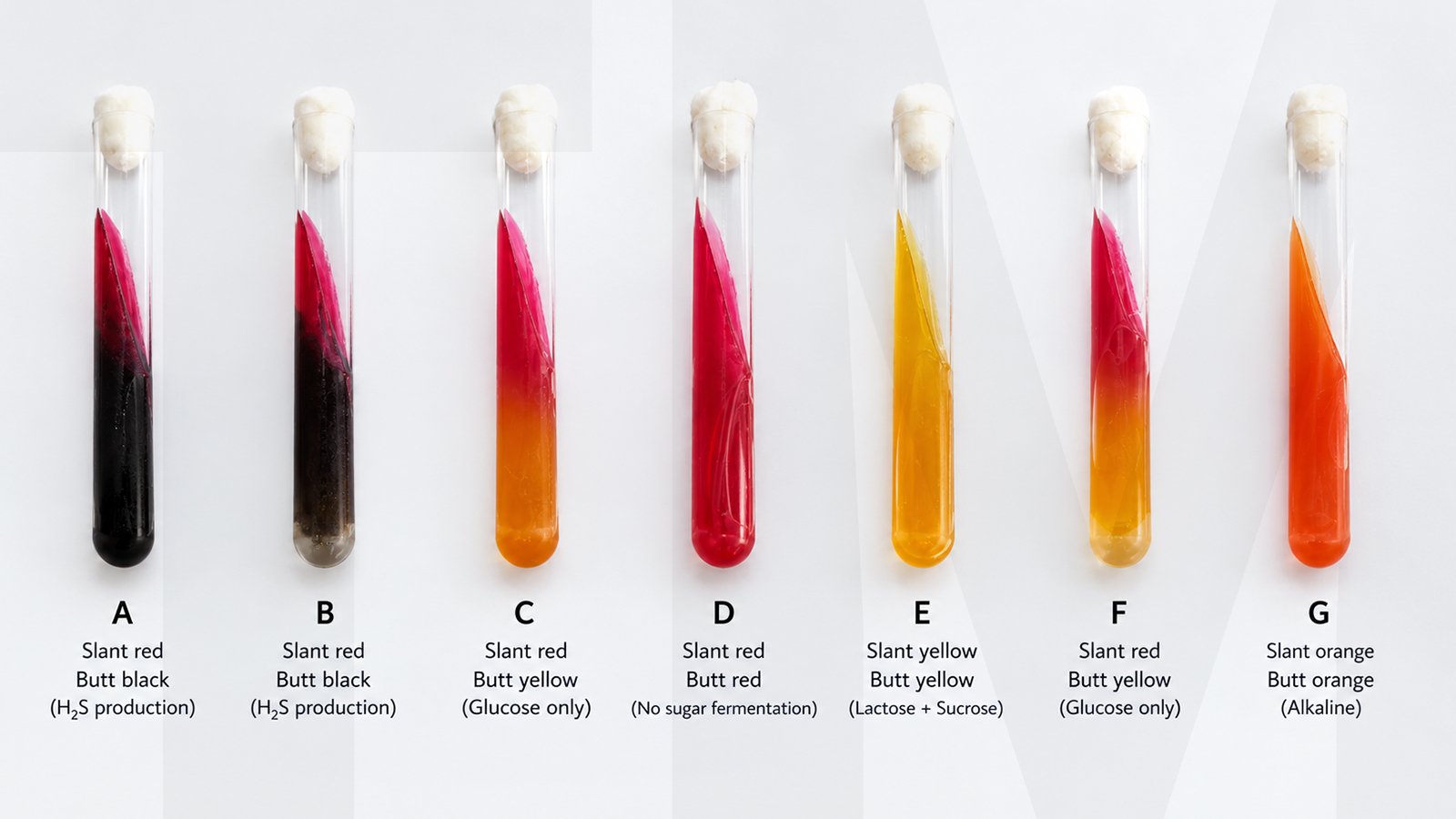
A microbiologist often looks beyond what appears on a culture plate. A tiny change in colour can reveal an important...
Read More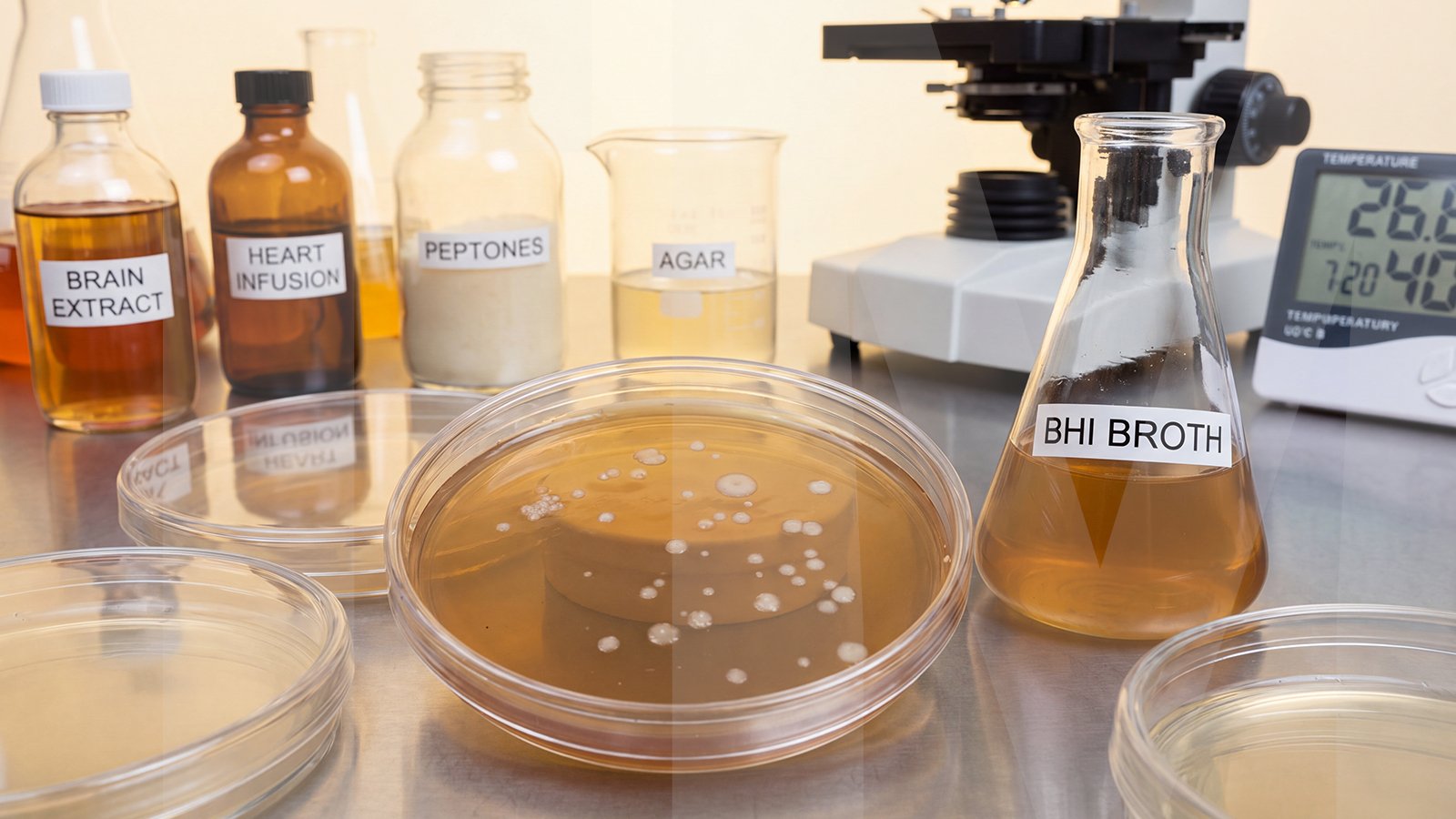
A colony appearing on an agar plate may look like a simple result. Yet, that small colony reflects everything the...
Read More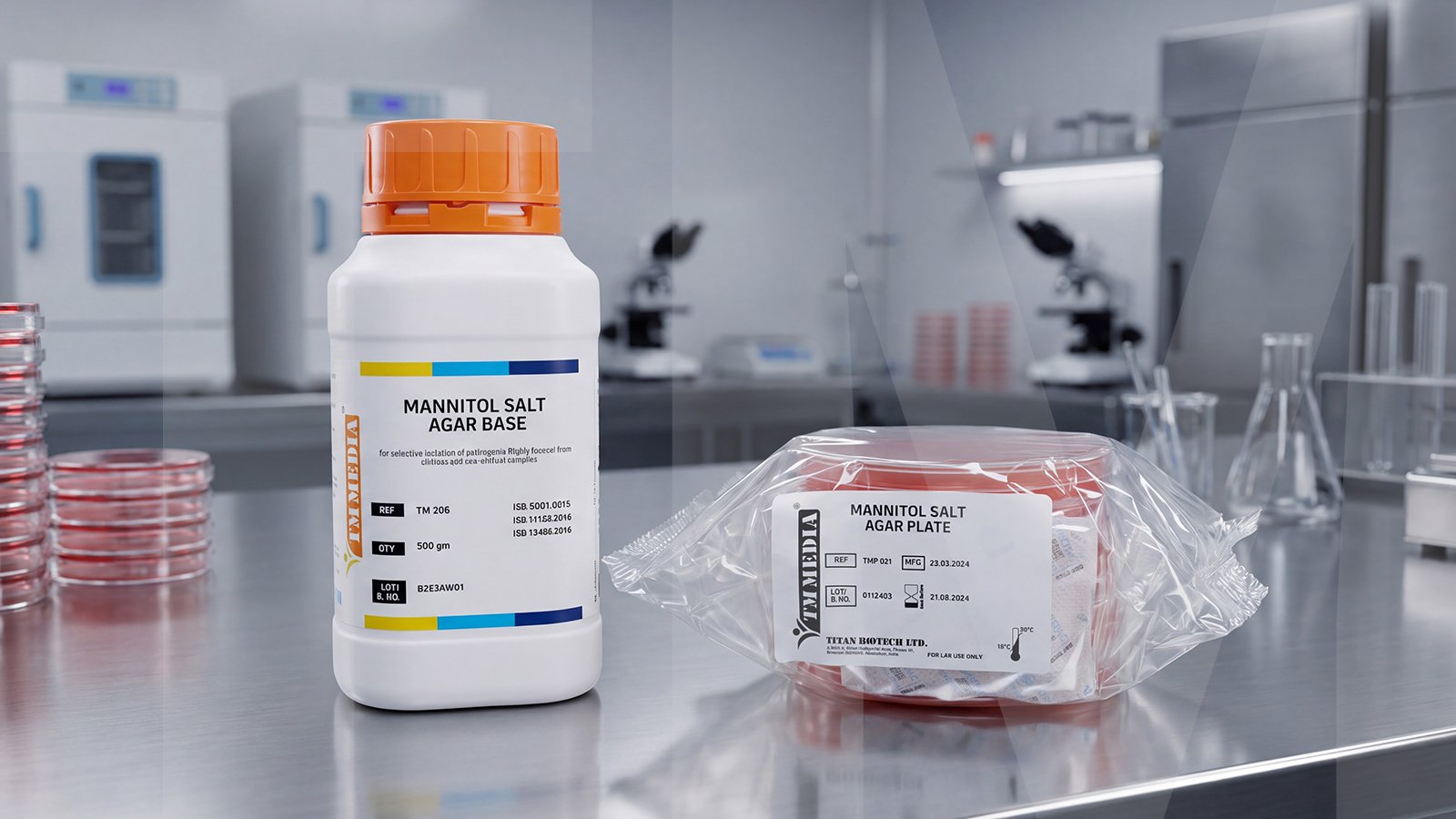
A microbiologist receives a mixed sample and prepares a fresh culture plate. The next question seems simple: which organism will...
Read More
A microbiologist opens two Petri plates after incubation. Both plates contain the same sample. One plate shows clear, well-separated colonies....
Read More
How can I help you today?
