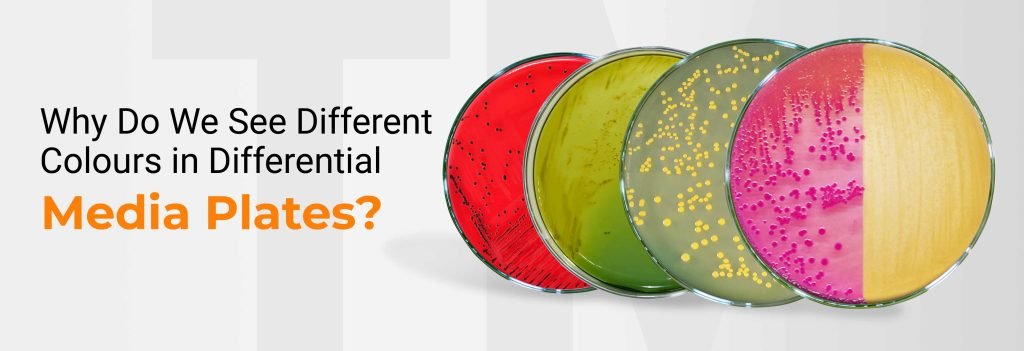
While working with microbes, the colours of differential media play a crucial role in understanding the secrets of microbial growth and metabolism. Let’s see why this happens and try to understand why these culture media come in different hues and what insights they provide to microbiologists.
Differential media, such as MacConkey Agar, CLED Agar, TCBS Agar, and XLD Agar, provide a visual language that assists microbiologists in distinguishing between various targeted microorganisms. The colours are not merely decorative but are key indicators of the metabolic activities happening on the agar.

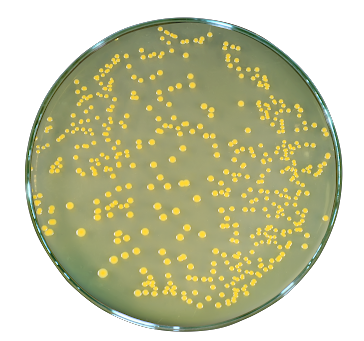
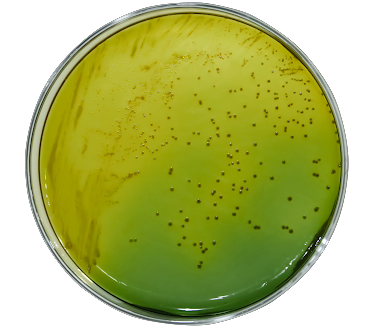
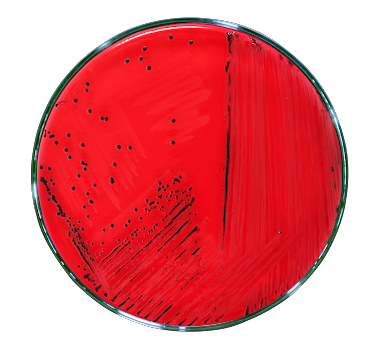
Microbiologists rely on these colourful clues to understand the characteristics of microorganisms, enabling them to diagnose infections, conduct research, and contribute to advancements in the field.
The colours of differential media speak volumes in the silent world of microbiology. Embracing the visual language of these agar plates allows scientists to decode the microbial mysteries and pave the way for advancements in research and diagnostics.
For more information on our Culture Media range, click on this link https://www.tmmedia.in/category/products/dehydrated-culture-media/dehydrated-culture-media-a-to-z/
Differential media colours, such as MacConkey agar’s pink or TCBS agar’s yellow, hold essential information about microbial behaviour. These visual indicators help microbiologists diagnose infections and advance research. TM Media provides a diverse range of culture media, including MacConkey agar, CLED agar, TCBS agar, and XLD agar, catering to varied research needs. Beyond mere aesthetics, these colours serve as a visual language in microbiology, decoding microbial mysteries and contributing to the understanding of microbial characteristics. Researchers can rely on TM Media’s comprehensive product portfolio, ensuring precision and reliability in their microbiological studies.

In microbiology, good results depend not only upon the techniques used in the laboratory, but also on the state of...
Read More
Imagine being able to grow thousands of identical, healthy plants from one parent plant, all alike in quality, vigor, and...
Read More
In microbiology, not all bacteria can be cultured in the same environment. Their requirements are different, some need oxygen to...
Read More
Every microbiology laboratory has times when accuracy is more important than anything else. A urine sample arrives with a suspicion...
Read More
Managing the pH level was once considered an academic topic, discussed among the classrooms and laboratory manuals. Gradually, it became...
Read More
Modern medicine has changed a lot in the past few decades, especially with the rise of biological medicines. These drugs...
Read More