
In microbiology laboratories, where sterility is not only the norm but the very requirement, Autoclaving is the most dependable technique to sterilize Culture Media, Glassware, Equipment, and Biohazard waste. To guarantee each sterilization process is effective, microbiologists make use of a duo of Autoclave Bags and dependable monitoring devices—specifically, Biological and Chemical Indicators.
An Autoclave is a sterilizer that utilizes high-pressure saturated steam to eliminate all types of microbial life, spores, bacteria, and viruses. It is a very important tool in laboratories, hospitals, research institutes, pharmaceutical departments, and manufacturing plants for the sterilization of reusable Laboratory instruments, Culture Media, Glassware, and Biohazardous waste.
The autoclave works on the principle of moist heat sterilization. It uses pressurized steam and creates a high temperature above the normal boiling point of water. The steam imparts latent heat to the contents, leading to protein coagulation and cell death in microorganisms.
Sterilization is only effective if the needed time, temperature, and pressure are evenly sustained within the chamber.
Yes autoclaves are very effective in sterilization but depending fully on the machine controls is not the right option. Sterilization cycles that are incomplete due to faulty loading, steam closure, or equipment failure can interfere with lab safety. Therefore, the implementation of Autoclave Bags, Chemical Indicators, and Biological Indicators becomes important in achieving complete and validated sterilization.

Autoclave Bags are high-temperature-resistant bags that are used to hold contaminated lab materials like Pipette Tips, Culture Plates, Gloves, and other disposables during autoclaving.
These bags prevent not just leakage and spillage but also serve to identify and segregate biohazardous waste effectively.
TM Media’s Autoclave Bags are produced to international laboratory standards and provide added strength and puncture resistance for high-pressure sterilizing conditions.
Chemical Indicators: Instant Visual Confirmation
Chemical Indicators respond to changes in colour with heat- or steam-sensitive dyes when predetermined sterilizing conditions (time, temperature, pressure) are achieved. They provide instant visual assurance that the autoclave conditions were achieved.
Biological Indicators have a viable spore of heat-resistant bacteria (typically Geobacillus stearothermophilus) in sealed containers. After autoclave cycle, the indicator is incubated to determine if any spores survived.
TM Media’s Biological Indicators come in self-contained vials and strips and are standard in pharmaceutical cleanrooms, hospitals, and GMP-level facilities.
With decades of microbiological experience, TM Media provides a complete line of Autoclave sterilization equipment, such as:
Biological and Chemical Indicators
Autoclaving is a lab safety cornerstone, but its effectiveness relies on more than simply operating the cycle. Proper use of Autoclave Bags, Chemical Indicators, and Biological Indicators provides thorough sterilization validation which is a fundamental practice in clinical diagnostics, pharmaceutical production, and microbiological research.
In microbiology, good results depend not only upon the techniques used in the laboratory, but also on the state of...
Read More
Imagine being able to grow thousands of identical, healthy plants from one parent plant, all alike in quality, vigor, and...
Read More
In microbiology, not all bacteria can be cultured in the same environment. Their requirements are different, some need oxygen to...
Read More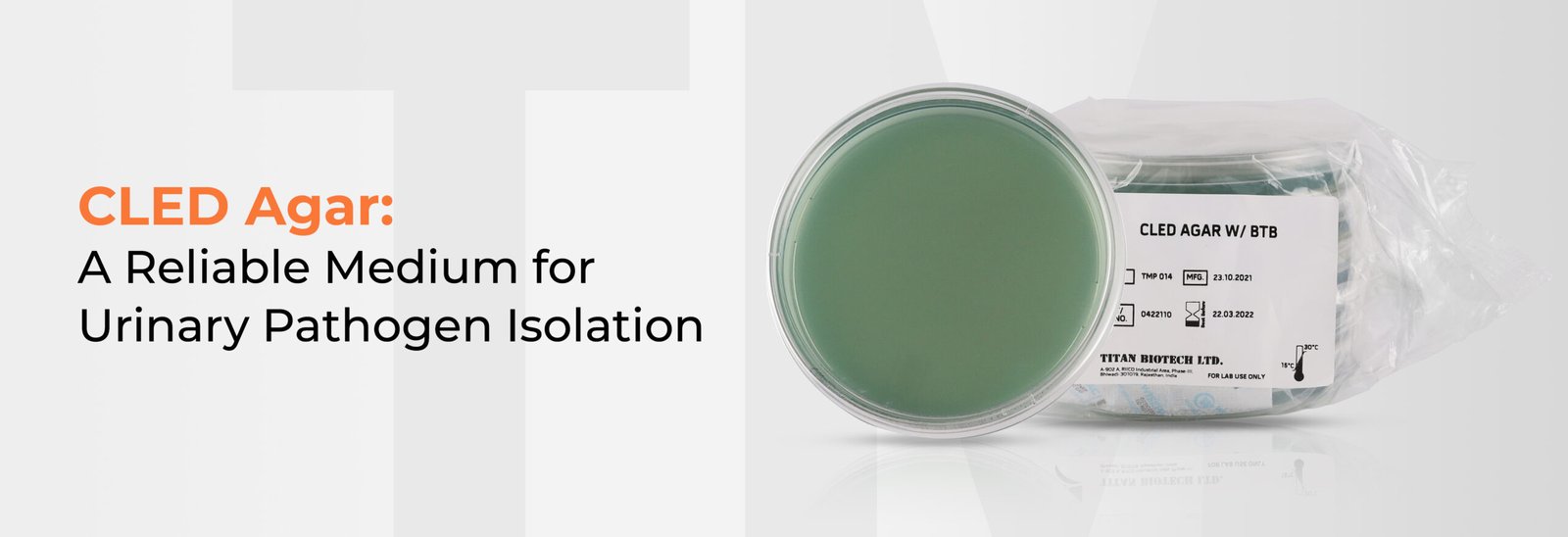
Every microbiology laboratory has times when accuracy is more important than anything else. A urine sample arrives with a suspicion...
Read More
Managing the pH level was once considered an academic topic, discussed among the classrooms and laboratory manuals. Gradually, it became...
Read More
Modern medicine has changed a lot in the past few decades, especially with the rise of biological medicines. These drugs...
Read More