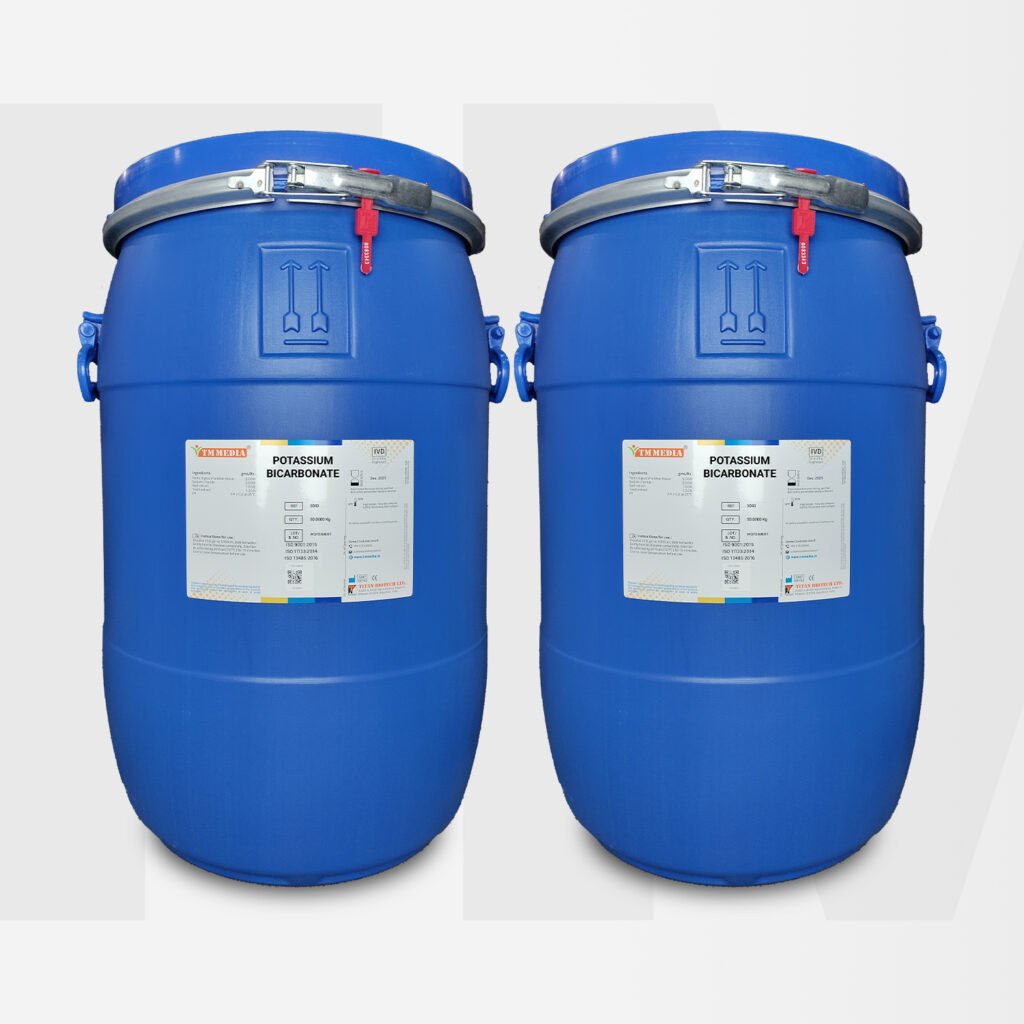
Managing the pH level was once considered an academic topic, discussed among the classrooms and laboratory manuals. Gradually, it became a practical need in real food processing and formulation systems. Today, pH control is necessary for the flavor, texture, shelf life and safety of a product. Small changes in pH can affect ingredient behaviour, the processing of products, and the stability during storag e. That’s where potassium bicarbonate comes into play, a dependable, controlled way of modifying pH in food and formulation applications without the harsh chemical effect.
Potassium Bicarbonate (Food Grade) is a white crystalline powder with a mild alkaline nature. It is chemically known as KHCO₃, and it is the potassium salt of carbonic acid.
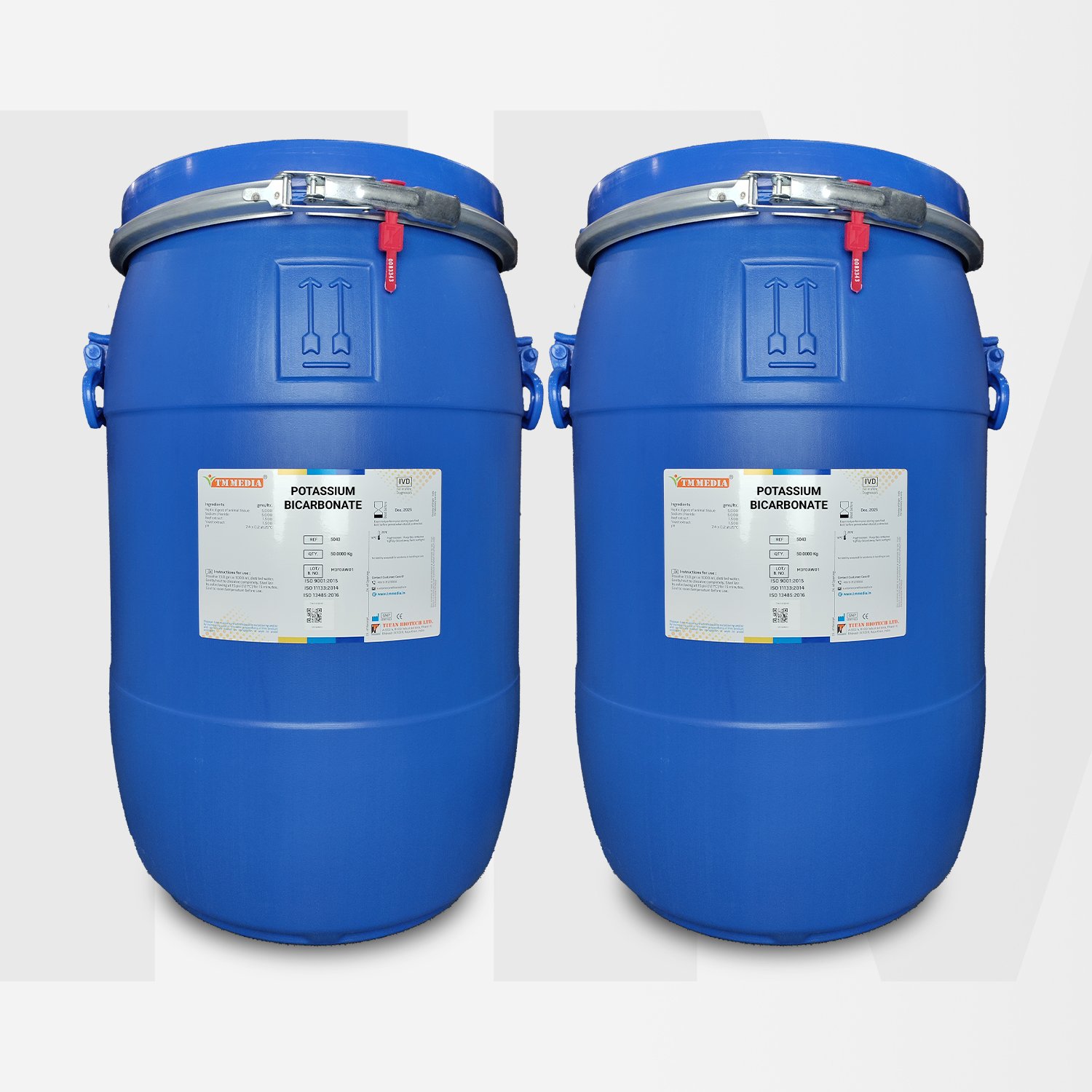
Potassium bicarbonate releases bicarbonate ions upon dissociation in water. These ions contribute to neutralizing excess acid and also raise pH slightly in formulations.
Unlike strong alkaline substances, potassium bicarbonate reacts in a gentle manner. It does not cause sharp changes in pH. That makes it ideal for uses that require a mild buffer only. Its food-grade quality complies with high purity requirements, and can be used in food, pharmaceutical and other sensitive products.
Maintaining the proper pH is important in food processing and formulation. pH affects flavor balance, ingredient compatibility, microbial stability, and overall product performance. In food systems, uncontrolled acidity will cause sour taste, texture breakdown, or reduced shelf life. High alkalinity may also result in off flavors and ingredient instability.
Potassium bicarbonate supports gradual and predictable pH control, allowing formulators to achieve consistency without causing sudden chemical shifts. This makes it highly useful in baked goods, beverages, nutritional products, and specialized food formulations.
Its gentle nature is one of the reasons why potassium bicarbonate is so widely preferred. It does not cause sudden pH changes like strong alkalis. This makes it safer to work and more forgiving in sensitive formulations. Another benefit is its compatibility with the human body and the environment. Potassium based buffers are well compatible with biological processes and so they are applicable in food and beverages applications. It enables controlled pH monitoring within buffer systems with no impact on safety, quality or regulatory compliance when used in buffer formulations.
The quality of potassium bicarbonate (Food Grade) is defined by strict parameters. These ensure consistent performance in buffering systems and safe application in regulated environments.
| Parameter | Specification |
| Loss on Drying | Not more than 0.25 percent |
| Solubility | Freely soluble in water; insoluble in ethanol |
| Lead Content | Not more than 2 mg per kg |
| Assay ODB | 99.0 to 101.0 percent |
It is a mild alkalizing agent with pH regulating properties. Bicarbonate ions react with acidic substances when added to them, and gently neutralize acidity. Unlike strong alkaline compounds, this reaction happens gradually, preventing sharp pH spikes that may damage product quality. Another advantage is the potassium content, which makes it preferable over sodium based pH regulators in low sodium and health focused food products. This exceptional balance of effectiveness and safety allows it to maintain stable formulational conditions while being compatible with taste, quality and regulatory requirements.
Selecting the food grade chemicals manufacturer is as critical as the product. Potassium Bicarbonate (Food Grade) from TM Media, is sourced and supplied with a strong focus on quality consistency, regulatory compliance, and real world application across industries.
It (Food Grade) is not just an alkaline substance. It plays an important role in the pH control of food and formulation systems. It has a controlled neutralizing effect which helps prevent pH-related problems during processing and ensures consistency in product quality in food and beverage applications.
It is still the trusty workhorse in those systems where balance matters and safety is a must. As a leavening agent, a pH control agent or a stabilizer in complex formulations, it provides a consistent chemistry that performs quietly but efficiently.
A. If added in small amounts, it does not really change the taste. Overdosing makes it a bit alkaline, so accurate dosing is best.
A. No, it reacts gradually.
A. Yes
A. It easily dissolves, allowing for even distribution within formulations.
A. Yes, pH remains stable over a long period of time which leads to a longer shelf life of the product if applied appropriately in formulations.

In microbiology, good results depend not only upon the techniques used in the laboratory, but also on the state of...
Read More
Imagine being able to grow thousands of identical, healthy plants from one parent plant, all alike in quality, vigor, and...
Read More
In microbiology, not all bacteria can be cultured in the same environment. Their requirements are different, some need oxygen to...
Read More
Every microbiology laboratory has times when accuracy is more important than anything else. A urine sample arrives with a suspicion...
Read More
Modern medicine has changed a lot in the past few decades, especially with the rise of biological medicines. These drugs...
Read More