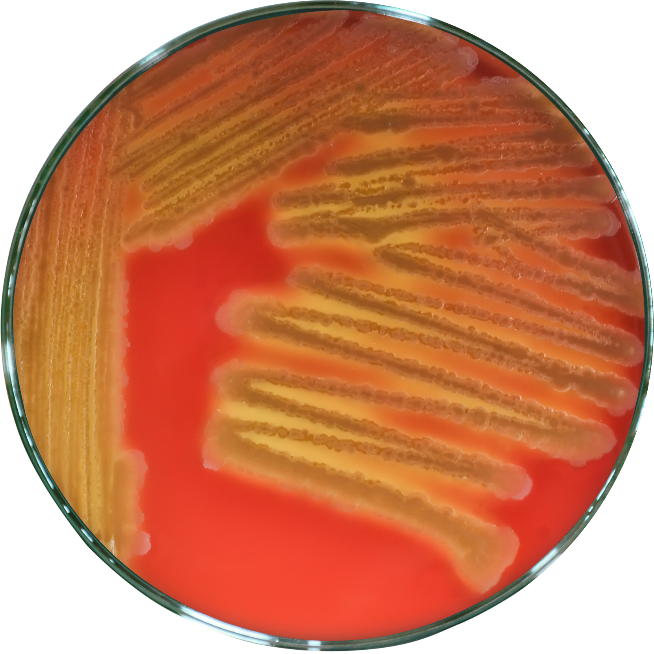
Food is a basic need for every living organism present on earth. It is a substance consumed by an organism to fulfil its nutritional requirements. The food substances consumed by an organism are absorbed by its cells to provide energy, sustain life, or stimulate growth.
Growth media, also known as culture media, are the substances that act as food for microorganisms. It provides all the essential nutrients and minerals that support the growth of microorganisms in a controlled environment. Microorganisms are ubiquitous, but different species of microbes vary in nature, characteristics, habitat, and nutritional requirements. To grow different strains or species of microbe, different types of culture media are needed.
Brain Heart Infusion Medium (BHI Medium)
Brain heart infusion is a nutrient-rich growth medium. It is used to isolate fastidious and non-fastidious microorganisms, including aerobic and non-aerobic microbes, from clinical or non-clinical samples. It is a general-purpose medium but mostly used to isolate Meningococci, Pneumococci, and Streptococci, which are otherwise challenging to grow. It is also used to differentiate Enterococci and group D Streptococci and to check the antimicrobial susceptibility of various microbes.
In 1899, Edward Rosenow first made the brain heart infusion medium. He combined the dextrose broth and calf brain tissue to grow the Streptococci. In 1923, Russel Haden modified the composition of brain infusion heart medium to favour the growth of dental pathogens. He added crushed marble and found that it could exhibit a positive effect on the growth of dental pathogens. In the modern formulation of brain heart infusion medium, the porcine brain and heart infusion is used instead of calf brain tissue.
Composition of Brain Heart Infusion Medium
This brain heart infusion medium is a nutrient-rich well-buffered medium that promotes the growth of diverse range of microorganisms. The brain and heart infusion serve as sources of carbon, nitrogen, essential growth factors, amino acids, and vitamins, and the disodium phosphate acts as a buffer. Dextrose serves as a source of energy, whereas sodium chloride maintains the osmotic equilibrium of the medium. It can be supplemented with antibiotics, yeast extract, and serum to provide a rich medium for the growth of bacteria and fungi. The addition of 0.1% agar can be used to lower the oxygen tension, which can support the growth of aerobic, microaerophilic, and obligate anaerobic microbes. The addition of gentamicin and/or chloramphenicol is recommended for the selective isolation of fungi. In a study, it is also stated that the addition of 10% defibrinated sheep blood is useful for the isolation and cultivation of Histoplasma capsulatum and other fungi. TM media brain heart infusion broth with 6.5 % NaCl can be used for the selective cultivation of salttolerant microorganisms and brain heart infusion with PABA and agar can be used for the culturing of blood from patients under Sulphonamide therapy.
Table 1 – Composition of Brain Heart Infusion Broth
| Compound | Concentration |
| Brain heart infusion | 6.0 g |
| Peptic digest of animal tissue | 6.0 g |
| NaCl | 5.0 g |
| Dextrose | 3.0 g |
| Pancreatic Digest of gelatin | 14.5 g |
| NaH2PO4 | 2.5 g |
| Distilled water | 1 litre |
TM Media provides various culture media like CLED (Cystine Lactose Electrolyte Deficient) , EMB (Eosin methylene blue) , and BHI (Brain Heart Infusion Agar) in both dehydrated and ready-to-use forms. Our laboratory culture media collection range was created for you with a wide selection of quality products that keep your lab running efficiently and effectively. We provide a wide range of BHI medium with different concentrations of agar, NaCl, and PABA. We also provide a vegetarian range of some growth media.

In microbiology, good results depend not only upon the techniques used in the laboratory, but also on the state of...
Read More
Imagine being able to grow thousands of identical, healthy plants from one parent plant, all alike in quality, vigor, and...
Read More
In microbiology, not all bacteria can be cultured in the same environment. Their requirements are different, some need oxygen to...
Read More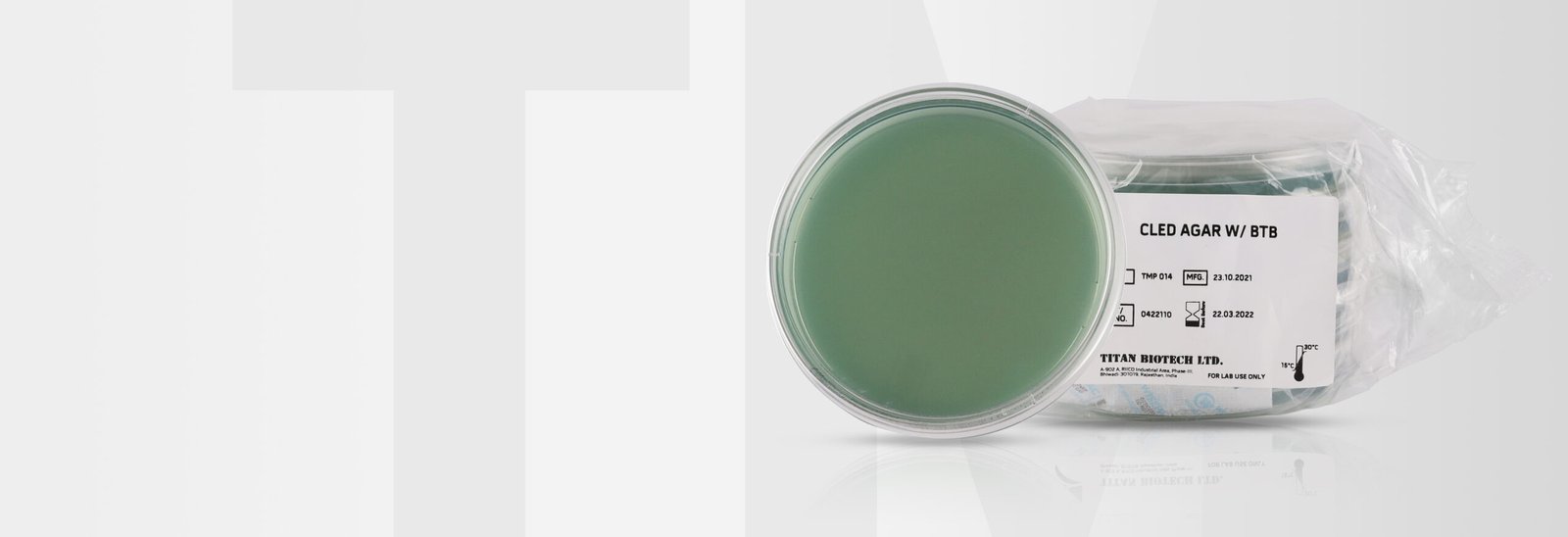
Every microbiology laboratory has times when accuracy is more important than anything else. A urine sample arrives with a suspicion...
Read More
Managing the pH level was once considered an academic topic, discussed among the classrooms and laboratory manuals. Gradually, it became...
Read More
Modern medicine has changed a lot in the past few decades, especially with the rise of biological medicines. These drugs...
Read More