
Imagine being able to grow thousands of identical, healthy plants from one parent plant, all alike in quality, vigor, and resistance. Doing that with a traditional farming method would require several years and much space. That’s where micropropagation comes in. It is a process that enables plants to multiply in a controlled environment to promote agriculture, research and conservation worldwide.
Micropropagation has quietly revolutionized the mass production of plants. This technique can be useful in the production of a wide range of plants from crops and garden plants to endangered and exotic species for achieving rapid growth, uniform quality and improved survival.
Micropropagation is an advanced technique that allows production of plants from a small piece of plant tissue under sterile conditions in a nutrient medium. This tissue, called an explant, can be derived from the leaves, roots, stems, or buds of a healthy parent plant.
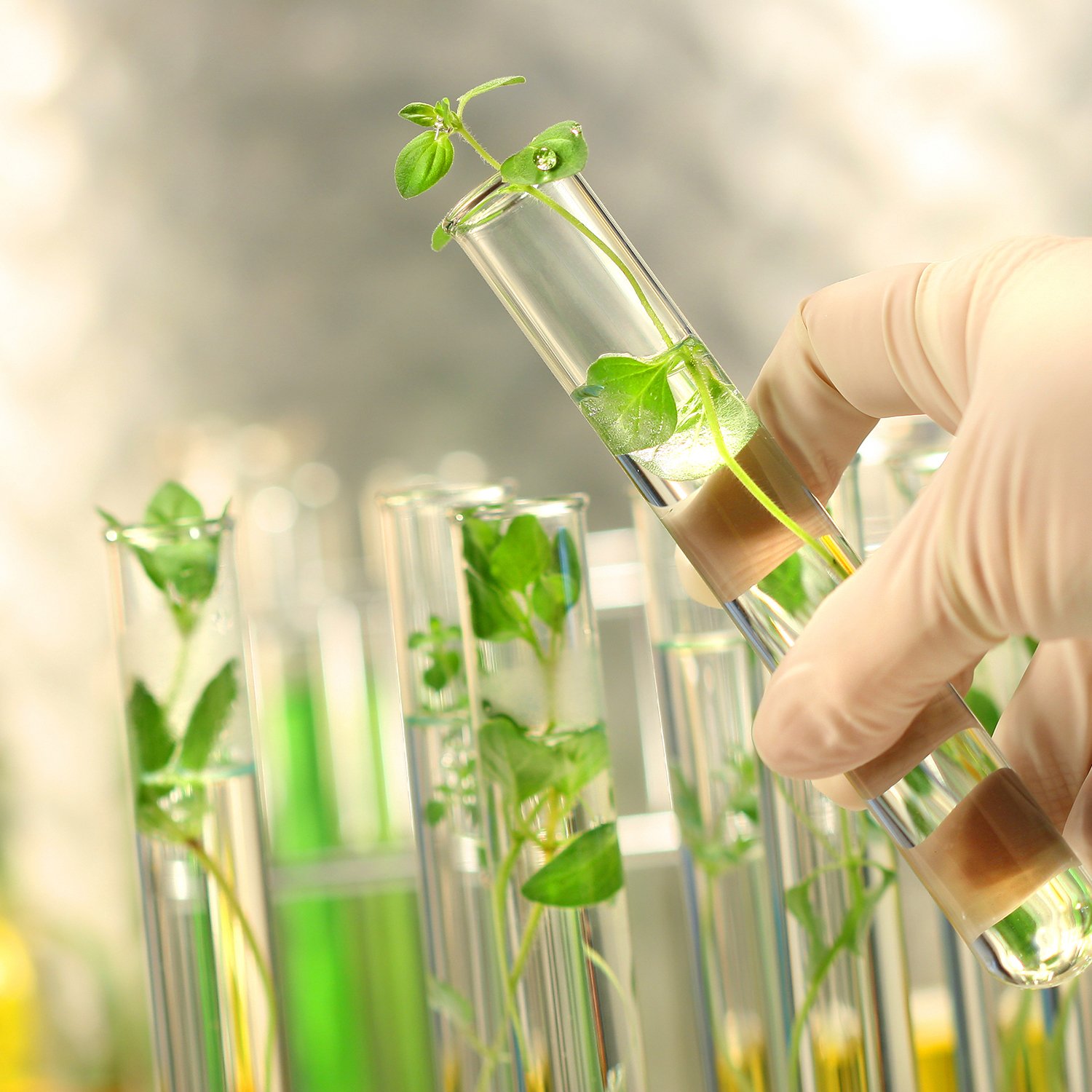
All of this occurs in a nutrient medium with sugars, minerals, vitamins and plant growth hormones. These substances feed the cells so that they can divide and become full plants. It is all happening in a sterile, controlled environment, so the chance of disease or contamination is negligible.
Rather than traditional methods such as seeds or cuttings, this method produces plants that are clones of the parent plant. This makes it particularly useful when consistent quality is essential.
Consistency is what matters in agriculture and horticulture. Farmers want their crops all to ripen at once and to yield uniformly. It enables this to be achieved as each plant is genetically identical.
This method is applicable to plants that are difficult to seed or that take a long period of time to grow naturally. Crops like banana, potato, sugarcane, and orchids are highly benefited by this technique. Furthermore, it is important in preservation of endangered species by multiplying them without disturbing natural habitats.
Plants have a special characteristic called totipotency. A single plant cell can develop into a whole plant if supplied with suitable conditions. Micropropagation exploits this natural capacity.
When a plant tissue is cultured in the right medium, known as plant tissue culture media, cells divide to form shoots and roots. The direction of development is also determined by growth regulators such as auxins and cytokinins. Scientists can also alter the components to induce the tissue to develop roots, shoots or even complete plantlets.
Not every plant responds to the same treatment. Some of the common methods are meristem culture, callus culture, embryo culture and suspension culture. Depending on the plant species and intended results, each method has its own role.
The meristem culture is an effective method to be used for the production of virus free plants as the meristematic region is normally free from infections. Callus culture permits undifferentiated cells to grow before producing whole plants. Embryo culture enables retrieval of plants that are not able to grow naturally.
Micropropagation supports several industries. In agriculture, it supplies high quality planting material to meet the demand. In horticulture, it is used for the large-scale production of flowers and ornamental plants. Research organizations use it for studying plant genetics and growth.
In forestry, it used to grow millions of tree saplings for reforestation. In conservation, to shield rare plants from extinction.
While the benefits are many, there are challenges too. Maintaining sterile conditions requires strict discipline. A small mistake will cause contamination. The procedure also needs technical staff experienced in plant physiology and culture techniques.
Another concern is genetic uniformity. Although it is a benefit, it can be a risk. If a disease hits one plant, it could threaten all the plants that were cloned from it.
Micropropagation is the base of modern plant science. It promotes security of food, environmental conservation, and sustainable agriculture. Growing healthy plants more rapidly and efficiently, helps meet global demands without exerting pressure on the natural ecosystems.
As technology improves, this technique is evolving in a way that the production of plants becomes smarter and more reliable. In many ways, it is more than a technique. It is a connection between science and nature that allows humans to cultivate more and conserve the environment.
A. No. Micropropagation does not include genetic modification. Their DNA is identical to the parent plant.
A. High, if done correctly.
A. It is possible to produce a large amount of plants with similar appearance in terms of colour, shape and flowering pattern, which is very important in the market of ornamental plants.
A. Contamination.
A. As the plants are clones of the parent plant, no change in taste or quality.
A microbiologist studies a bacterial culture that looks no different from many others. Yet, its metabolic capabilities may be an...
Read More
A small tube sits on a microbiologist’s bench, looking almost ordinary. Its orange medium waits for one biological event to...
Read More
A microbiologist often looks beyond what appears on a culture plate. A tiny change in colour can reveal an important...
Read More
A colony appearing on an agar plate may look like a simple result. Yet, that small colony reflects everything the...
Read More
A microbiologist receives a mixed sample and prepares a fresh culture plate. The next question seems simple: which organism will...
Read More
A microbiologist opens two Petri plates after incubation. Both plates contain the same sample. One plate shows clear, well-separated colonies....
Read More
How can I help you today?
