
In microbiology, good results depend not only upon the techniques used in the laboratory, but also on the state of the specimen when it arrives at the lab. The most accurate microbiological analysis can be compromised if samples are not properly handled or if the microorganisms die before the examination. This is where Transport Media becomes important. These specific solutions enable the sample to precisely reflect the microbial population at the time of collection by keeping bacteria viable during transportation from the collection site to the laboratory.
Transport Media are not meant for growing microorganisms. Rather, they are intended to keep the organism viable without allowing replication. These media provide controlled conditions containing minimal nutrients, buffering agents, and stabilizers that stop changes in pH and osmotic pressure that might result in death of sensitive microbial cells. For this reason these media are critical for use in clinical, food, water and environmental microbiology, as they can preserve a microorganism’s survival without culturing it.
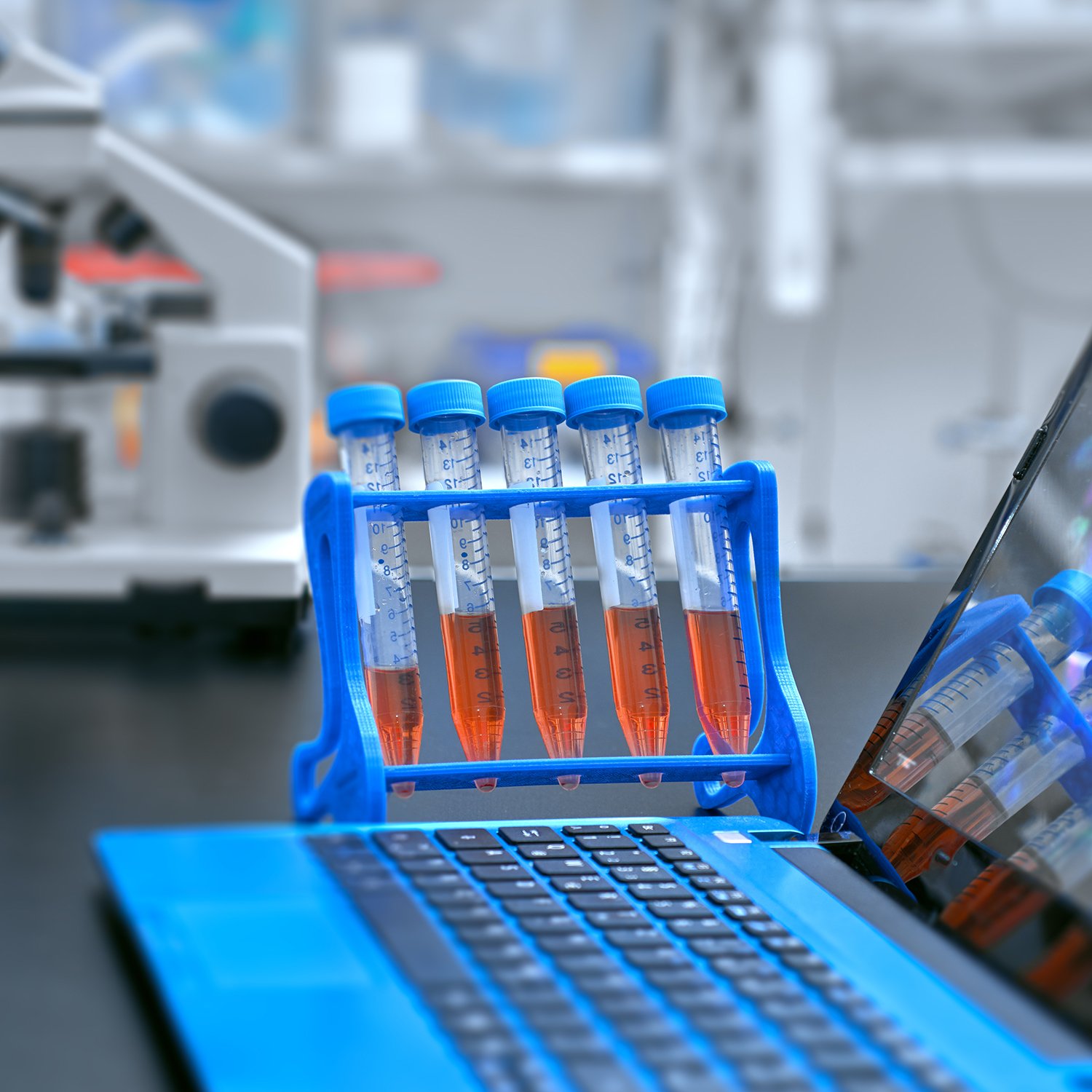
The benefit of this media is that the samples like swabs from a throat, water specimens, or food samples, remain as close as possible to their original microbial composition. This enables microbiologists to conduct reliable microbiological testing of water, food, or clinical samples in the absence of overgrown contaminant or dead cells.
These media work on a simple principle: they keep microbes alive but prevent growth. The media suppresses excessive metabolism that could modify the sample by limiting nutrients and by stabilizing the environment. Some media also contain reducing agents for the preservation of anaerobes, or buffers to maintain pH, allowing even fragile pathogens to survive transport.
There are many Transport media examples used across microbiology laboratories. Choice of these media depends on the organism to be transported and the period of time before processing. Some commonly used media are:
Each media example is designed for a particular application, and enables the microbiologist to choose the best medium for the organism type and the specimen source.
Transport media differ from culture media. Culture Medium supports the growth of organisms so that they can be isolated and identified while these media maintain viability of microorganisms. This distinction ensures that the specimen is a true representation of the original population when it arrives at the laboratory and is not distorted by overgrowth or death of sensitive species.
Transport media microbiology has application in the following areas:
In each of these cases, the selection of the proper transport medium is essential for maintenance of the sample and for obtaining good results.
Using these media has the following benefits for the microbiologists:
These media are the silent heroes in microbiology. By preserving the delicate balance of Microorganisms can be kept viable without significant alteration in number or characteristics while being transported from field to laboratory. It ensures precision and dependability in the microbiological examination of water, food, and clinical samples. From Stuart and Amies media for clinical swabs to Cary-Blair and Alkaline Peptone Water for enteric pathogens, each transport medium is designed to preserve the viability of a specific group of organisms.
A good knowledge of different types of Transport media and their application help microbiologists in choosing the appropriate medium for different types of samples. These media contribute to the integrity of scientific investigation and public health monitoring, by preventing the overgrowth and death of microorganisms. In clinical, water testing, or food microbiology laboratories, these media remain the basis for accurate microbial analysis and dependable results.
A. Using the wrong Transport medium may result in death of the microorganism, overgrowth by contaminants or changes in the sample matrix that may lead to inaccurate laboratory results or false-negative results.
A. These media can be sterilized by autoclaving or by membrane filtration, according to the composition of the media and its heat sensitivity.
A. No. These media are single-use only.
A. Buffering contributes to a constant pH, and pH variation may destroy a number of fragile microorganisms or influence their physiological status during transport.
A. Most media contain minimal or no nutrients so that microorganisms do not grow.
Two bacterial colonies can appear nearly indistinguishable on an agar plate. Yet their metabolic activities can expose significant differences. A...
Read More
A microbiologist studies a bacterial culture that looks no different from many others. Yet, its metabolic capabilities may be an...
Read More
A small tube sits on a microbiologist’s bench, looking almost ordinary. Its orange medium waits for one biological event to...
Read More
A microbiologist often looks beyond what appears on a culture plate. A tiny change in colour can reveal an important...
Read More
A colony appearing on an agar plate may look like a simple result. Yet, that small colony reflects everything the...
Read More
A microbiologist receives a mixed sample and prepares a fresh culture plate. The next question seems simple: which organism will...
Read More
How can I help you today?
