
In microbiology, not all bacteria can be cultured in the same environment. Their requirements are different, some need oxygen to live, some live without it while others live in both conditions. These differences are something that we need to be familiar with in the laboratory, especially when dealing with clinical, pharmaceutical or research samples. One Culture Medium that is important in the investigation of oxygen requirements of organisms is Thioglycollate Broth. It is widely included among essential microbiology culture media used in clinical and pharmaceutical laboratories.
This medium has been widely used for many years due to its ease of use and efficiency to grow different types of microorganisms in a single test tube. It enables microbiologists to figure out where bacterias are growing and what they tell about their oxygen requirements.
Thioglycollate broth is a liquid culture medium specifically designed to create an oxygen gradient within the tube. Instead of providing a uniform oxygen environment, it allows oxygen levels to vary from top to bottom. The top of the medium has more oxygen and the bottom remains oxygen poor.
This is what makes Thioglycollate broth very useful in determining if bacteria are obligate aerobes, obligate anaerobes, facultative anaerobes, microaerophiles, or aerotolerant bacteria. A single tube can yield meaningful results, rather than growing bacteria on multiple plates.
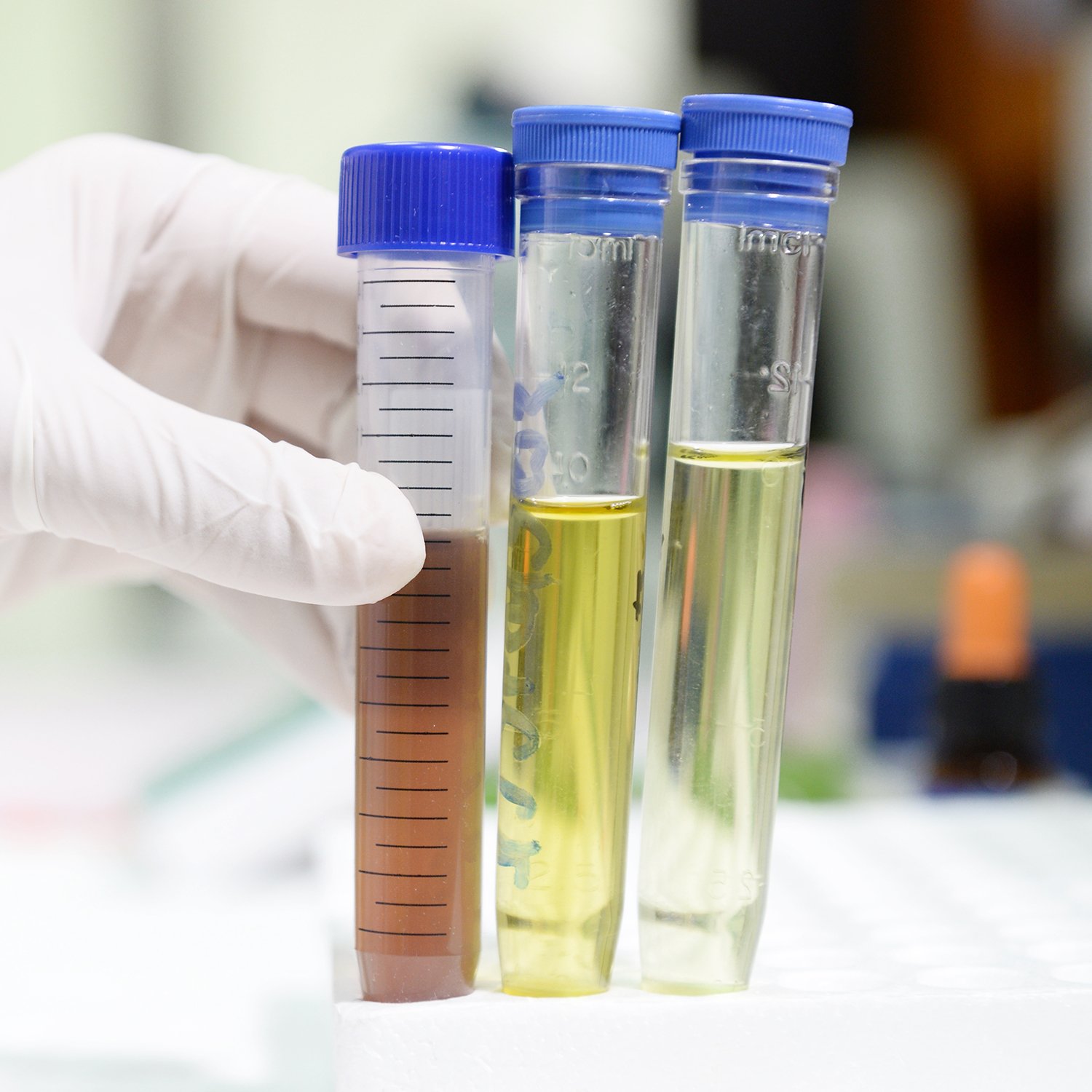
Thioglycollate broth is a medium designed to facilitate the growth of bacteria with various oxygen requirements. Its ingredients work together to reduce oxygen in the medium but at the same time provide enough nutrients for bacterial growth. These components and their functions are given below.
Microbes will grow at specific regions in a tube of thioglycollate broth depending on their oxygen requirements when the tube is inoculated. Obligate aerobes grow at the top of the test tube where they are exposed to more oxygen. Obligate anaerobes will grow at the bottom of the tube as that is the region with minimal oxygen available. Facultative anaerobes grow throughout the medium but normally appear denser near the top. Microaerophiles grow just below the surface, where oxygen is present but in minimum amount.
The growth pattern is easy to see, so it can also be used as a teaching tool for microbiological laboratories.
Thioglycollate broth is a medium commonly used in microbiology laboratories for anaerobic culture of wound swab, tissue, and body fluid samples. As numerous pathogens are fastidious and do not grow well on solid media in the presence of air, this medium allows safe recovery of such organisms.
It is also used in sterility testing in pharmaceutical microbiology. This test is suggested for injectables, implants, and ophthalmic solutions. It helps confirm there are no microbiological contaminations, especially anaerobes in the product.
In research laboratory applications, it helps study bacterial metabolism, oxygen tolerance, and how microbes interact. Being capable of growing a relatively wide variety of microorganisms, it is suitable for preliminary investigations.
Although Thioglycollate broth is a very useful medium, there are a few limitations which should be kept in mind. Awareness of these, contributes to the correct use of the medium and better interpretation of results.
Unlike an agar plate, the Thioglycollate media promotes bacterial growth in three dimensions. This characteristic is more informative than just simple growth or no growth. Compared to strictly aerobic or anaerobic media, it is suitable for multiple types of microbes.
The growth in the Thioglycollate broth needs careful observation. Presence of cloudiness in the whole tube shows that the bacteria are facultative anaerobes. Growth at the top only suggests obligate aerobes. Growth at the bottom confirms obligate anaerobes. Even growth without preference indicates aerotolerant bacteria.
If the resazurin indicator is pink throughout the medium, it means the broth has too much oxygen and the broth may no longer support anaerobic growth. Reheat or replace the medium in such cases.
Although numerous automated systems and molecular assays exist now, Thioglycollate broth is still widely used in microbiology laboratories. Its simplicity, dependability, and ability to grow multiple organisms, make it essential. It is important in clinical diagnosis, pharmaceutical sterility testing, and academic research. It contributes to the study of microbial life and activity.
Thioglycollate broth is not just a culture medium. It shows how bacteria use oxygen and change shape based on their environment. The generation of a controlled oxygen gradient enables microbiologists to differentiate bacterial types in a rapid and reliable manner.
Even in modern laboratories filled with sophisticated equipment, it stands as a reminder that well designed classical methods still hold immense scientific value.
A. Yes, microaerophiles typically grow just below the surface where oxygen is minimal.
A. Shaking or prolonged storage may change the oxygen gradient and affect the result. It is also not suitable for identifying pure colonies and some strict anaerobes may not grow in it without additional conditions.
A. The resazurin indicator turns pink in the presence of oxygen.
A. No
A. Keep tubes capped, do not shake and store at the recommended temperature to maintain the gradient.
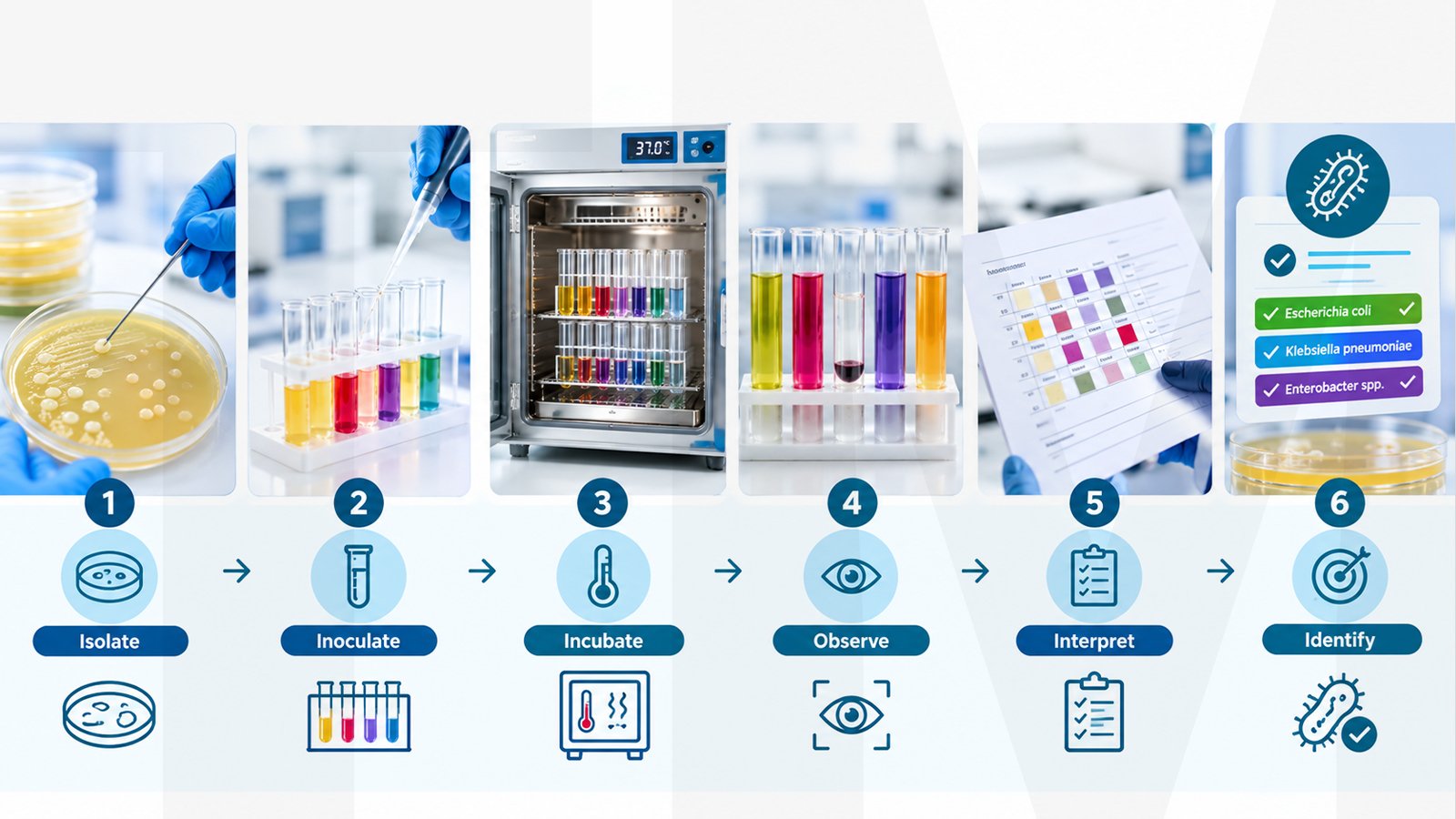
Two bacterial colonies can appear nearly indistinguishable on an agar plate. Yet their metabolic activities can expose significant differences. A...
Read More
A microbiologist studies a bacterial culture that looks no different from many others. Yet, its metabolic capabilities may be an...
Read More
A small tube sits on a microbiologist’s bench, looking almost ordinary. Its orange medium waits for one biological event to...
Read More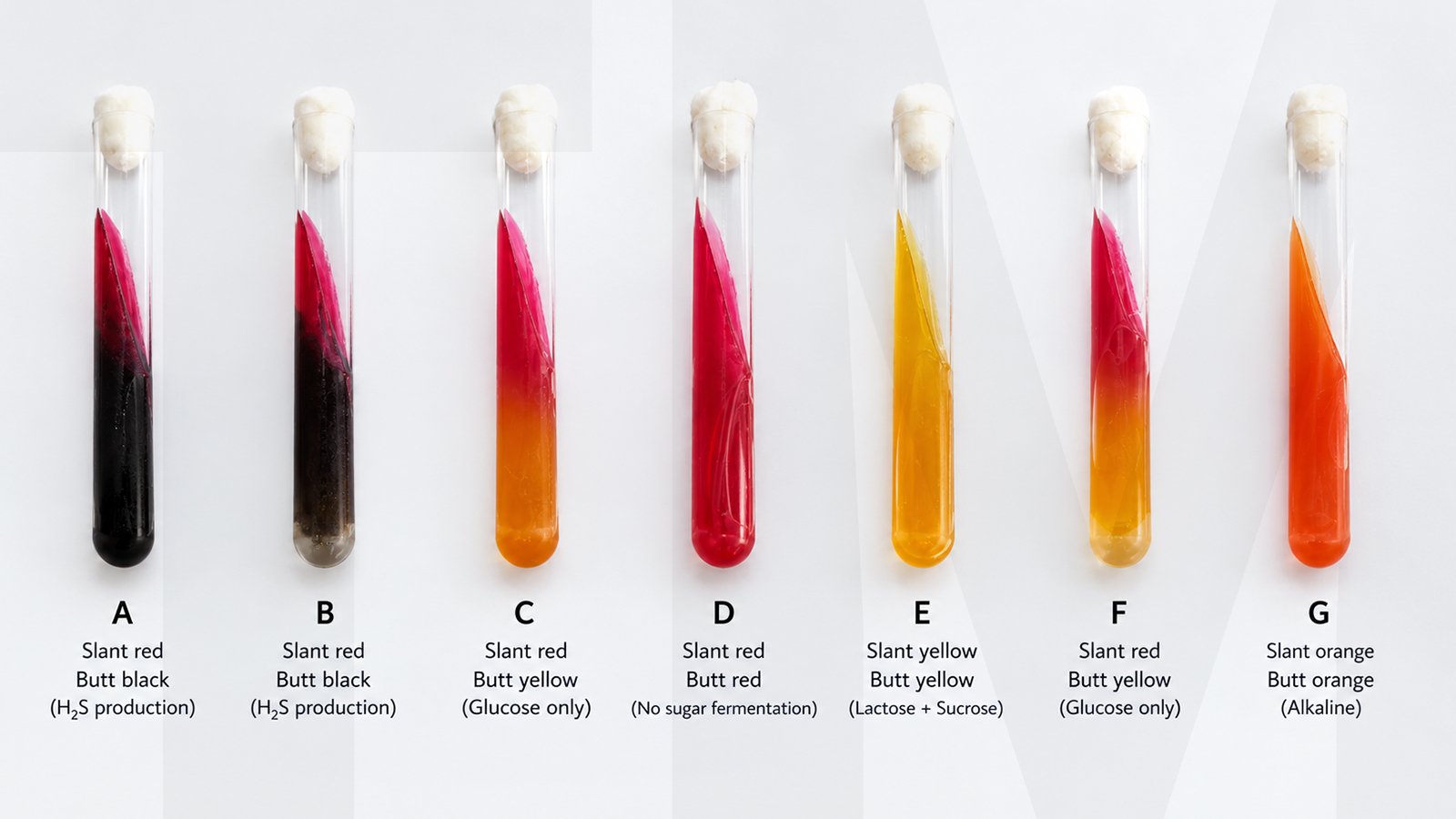
A microbiologist often looks beyond what appears on a culture plate. A tiny change in colour can reveal an important...
Read More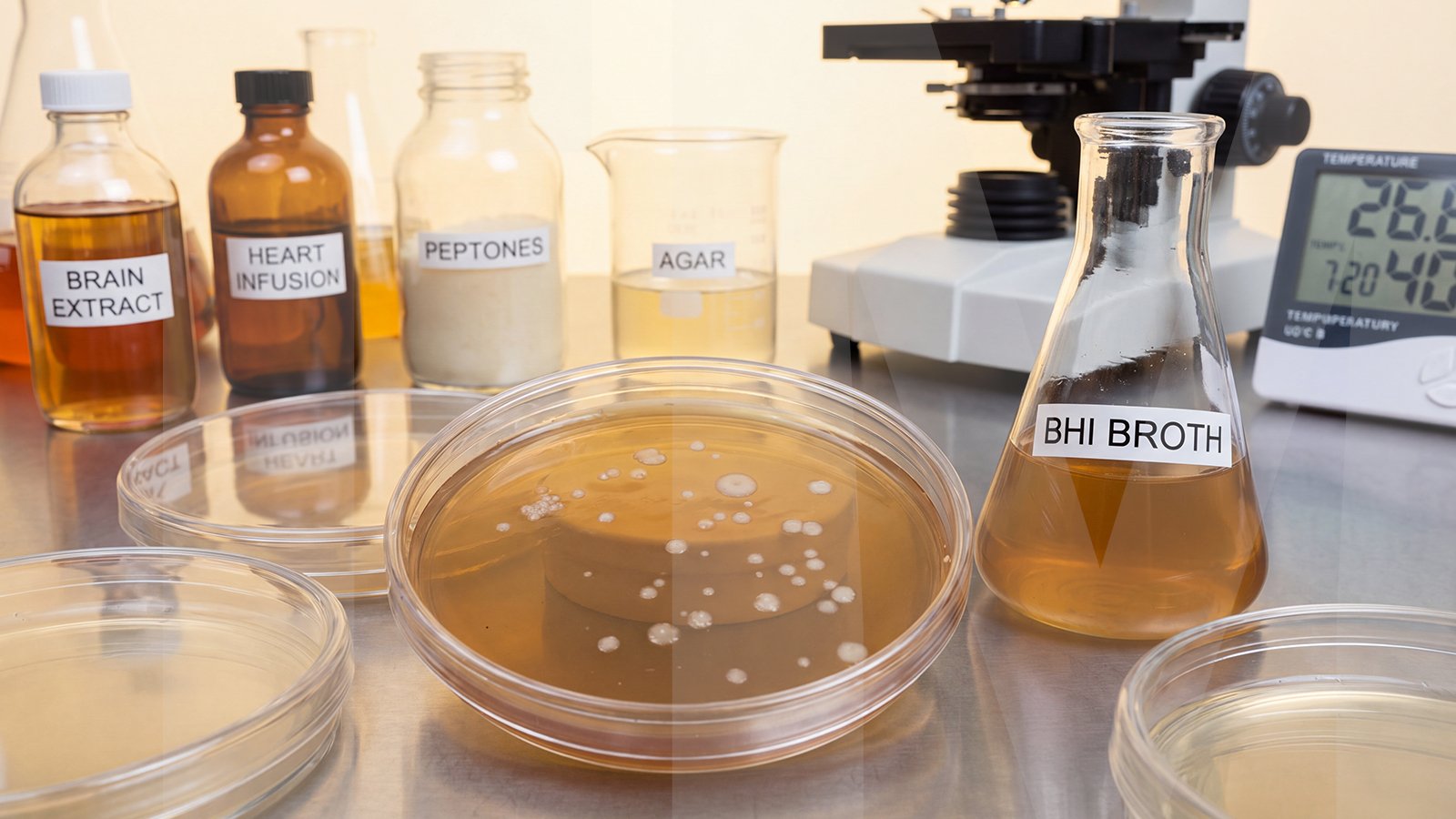
A colony appearing on an agar plate may look like a simple result. Yet, that small colony reflects everything the...
Read More
A microbiologist receives a mixed sample and prepares a fresh culture plate. The next question seems simple: which organism will...
Read More
How can I help you today?
